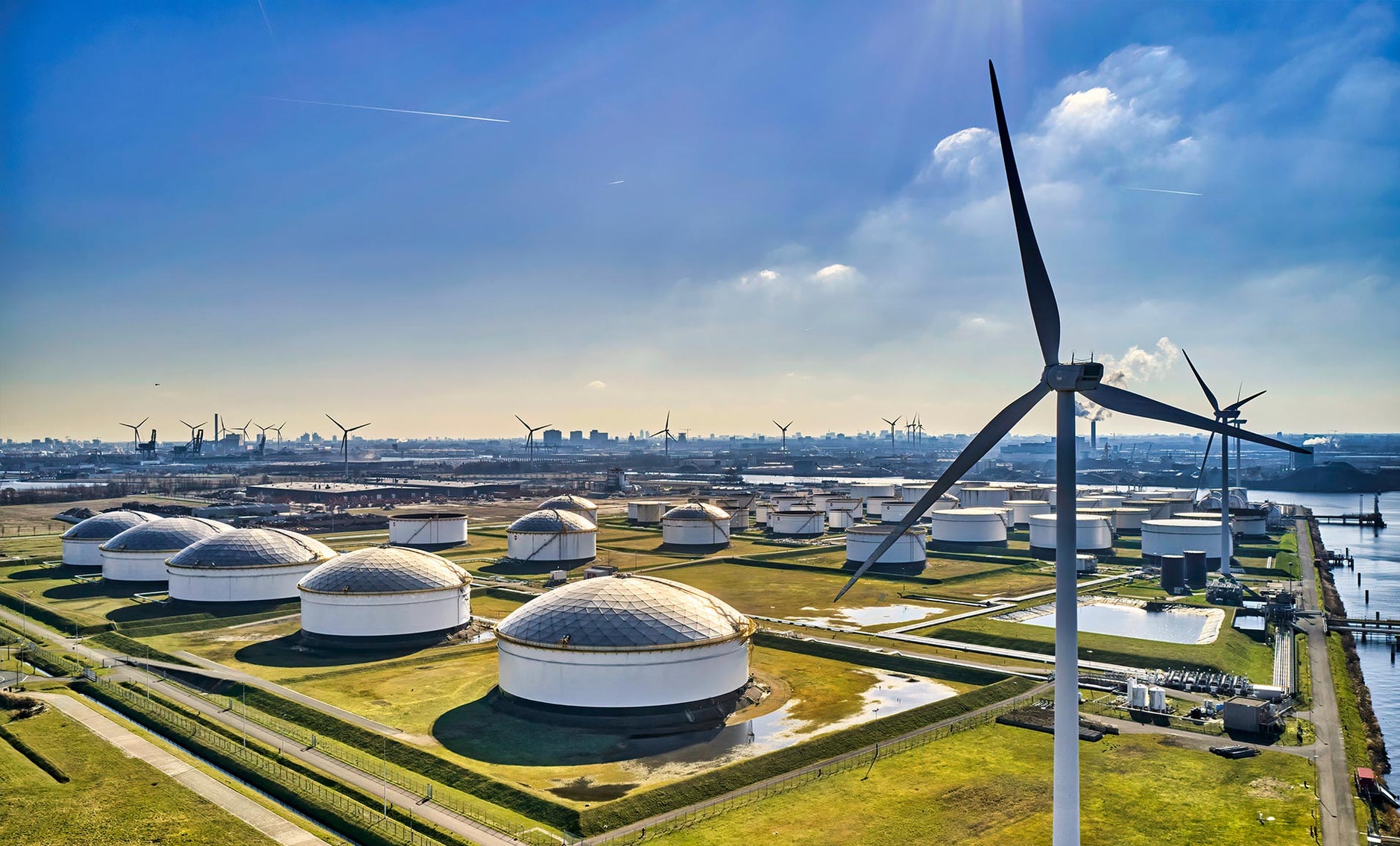
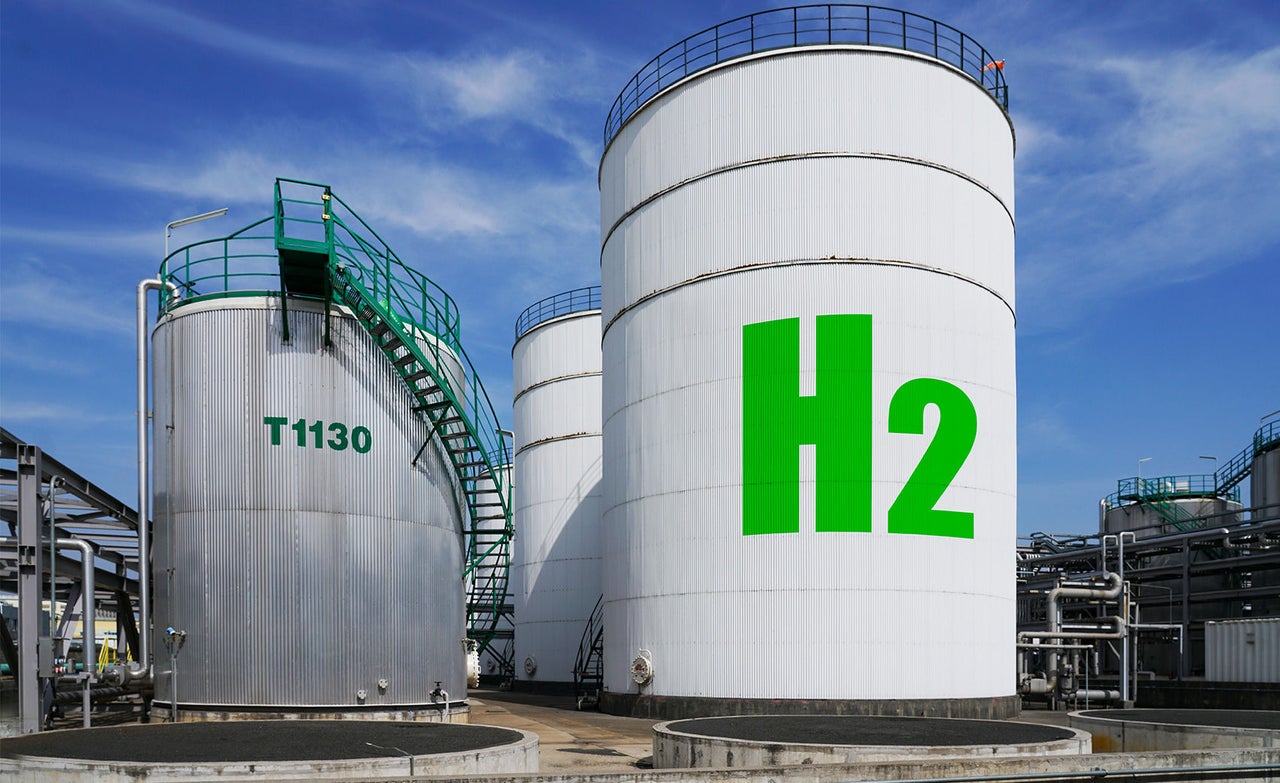
Of course, this requires a major upscaling of clean energy production. Within Europe, the focus will be on offshore wind from the North Sea, onshore wind in mainland Europe, solar around the Mediterranean and hydropower in northern Scandinavia. But the continent will still need to import energy, particularly hydrogen, which enjoys better production conditions outside Europe. As such, new ‘landing ports’ of renewable energy will emerge around Europe’s coastlines, where offshore wind energy and imported electricity and hydrogen come ashore. This will signal a shift to a more concentrated energy system, with a strong focus on these renewable landing ports.
Of course, to facilitate this shift, utilities companies must invest in the required infrastructure, contracts and market mechanisms that can ensure a secure supply of affordable green energy. These are fundamental factors in safeguarding the competitiveness of European industry.
A new opportunity for industrial companies
For energy-intensive industries like steel, cement, chemicals and food, re-regionalization represents a major opportunity. Transport of
renewable energy
over long distances is costly and security of supply for large quantities of green energy may be tough to guarantee far away from landing ports. Energy-intensive industrial companies must therefore find a new balance between affordable green energy and other production costs, as well as ensuring easy access to end-markets and their ecosystem of suppliers and talent. Establishing new industrial hubs offers a highly promising solution.
What’s more, re-regionalization can benefit the entire continent and not just the areas that will house green energy landing ports. Re-regionalization frees up much-needed grid capacity to boost higher-value economic growth and
accelerate the energy transition.
Inland regions can gain from this by focusing on attracting and developing less energy-intensive industries such as automotive or pharmaceuticals.
To achieve such an ambitious shift, we call for a ‘smart industrial policy offensive’ by industry, suppliers and government. For more details on the steps involved in this, and further information about re-regionalization, download the full report below.