Charge point operator market needs refinement
The highly volatile price of electricity has become a key differentiator among charge point operators. Negotiating favorable contract terms and managing price risk on this front is a crucial success factor. It's not yet clear whether this favors integrated players, such as subsidiaries of major utilities, or whether pure players can succeed with more agility.
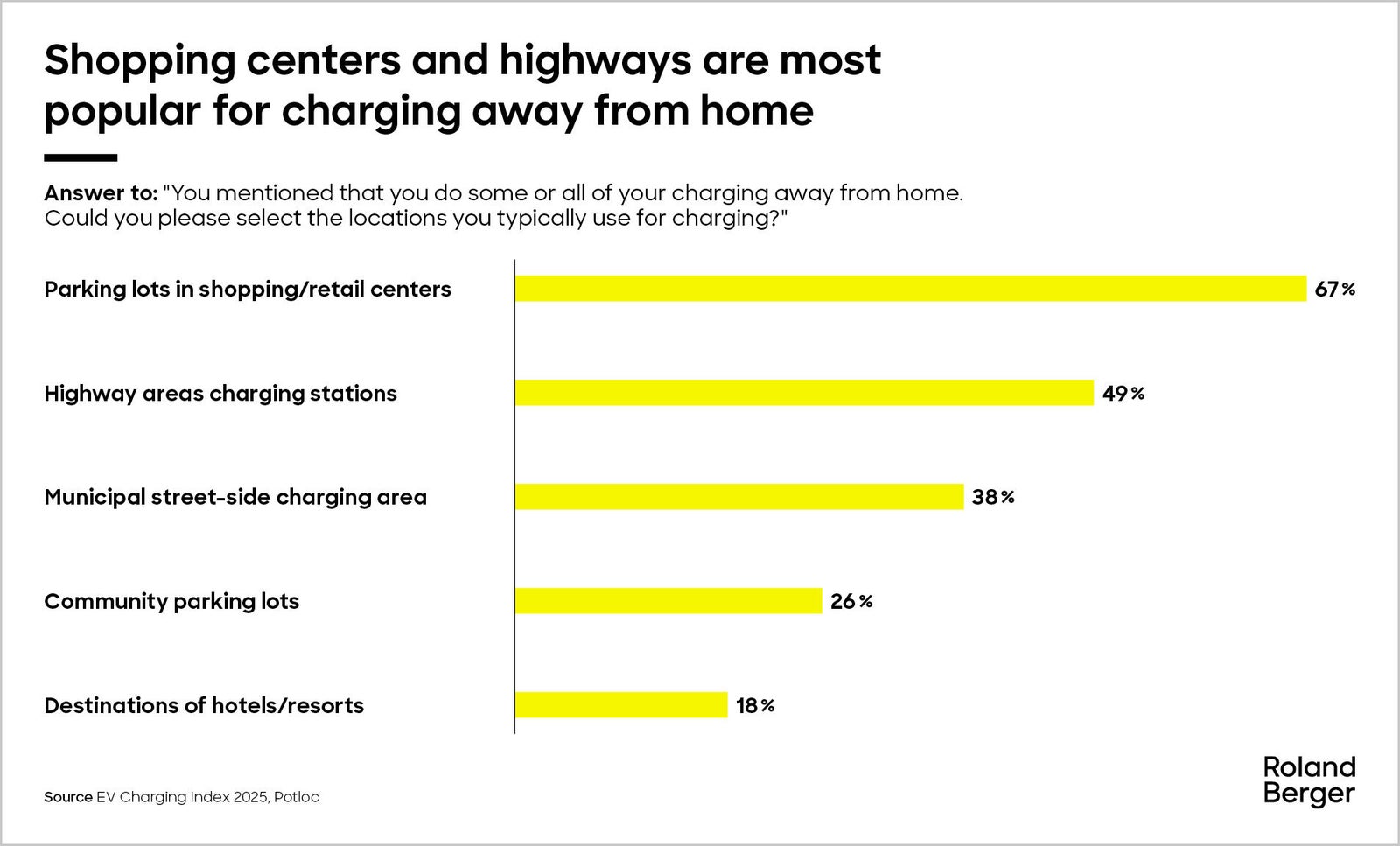
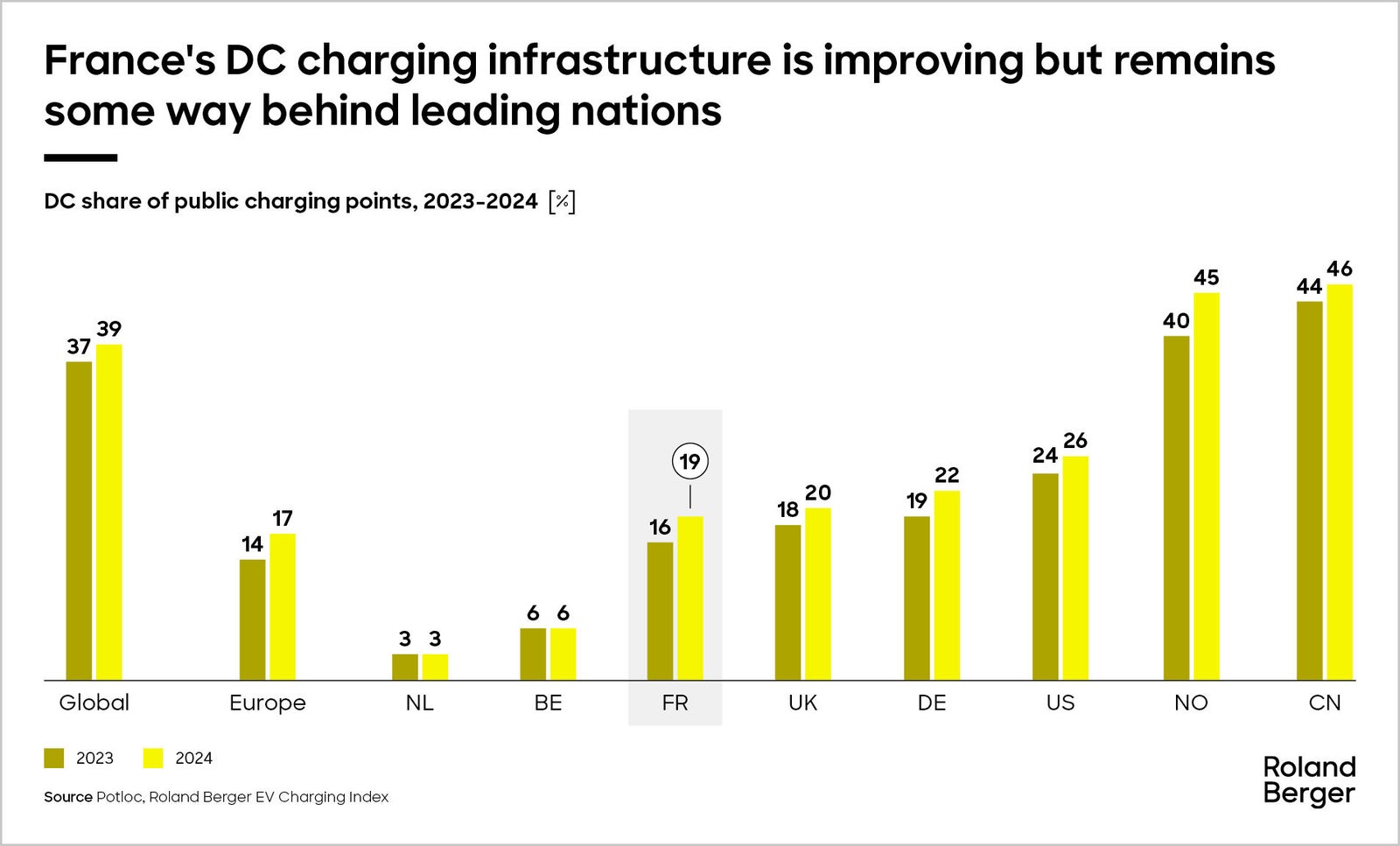
Ultra-fast charging is attracting significant investment, particularly on highways as it addresses a key user need, but there is little price differentiation with slow charging. Even though the share of fast charging should continue rising, there is potential to develop a market for slow charging, offering much cheaper charging, especially for the "destination" use case, such as shopping malls or supermarkets, and for owners of smaller, more affordable EVs.
Business models for B2B EV fleets
In addition to private consumers, EVs are also gaining traction in the B2B segment.
Here, we believe business models that center their value proposition around well-designed fleet-management features, such as optimizing EV usage, generating revenue from flexibility and contributing to the grid via batteries, are set to grow in importance.
Electrifying heavy transport
Beyond passenger cars, viable business cases in heavy transport are beginning to emerge. These involve very different use scenarios, in which price is a central factor.
Precise management of routes and fleet assets, minimizing en-route charging costs, and maximizing revenues from batteries and charging station flexibility will be key themes.