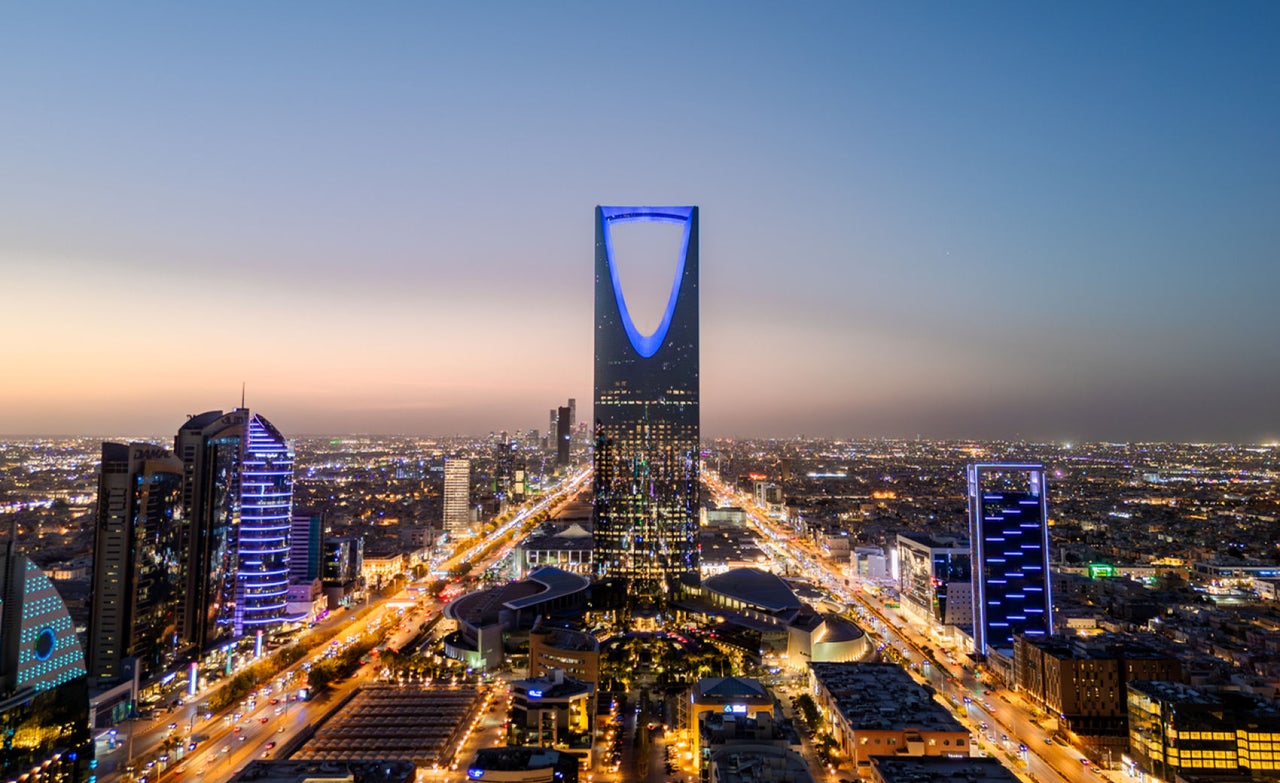
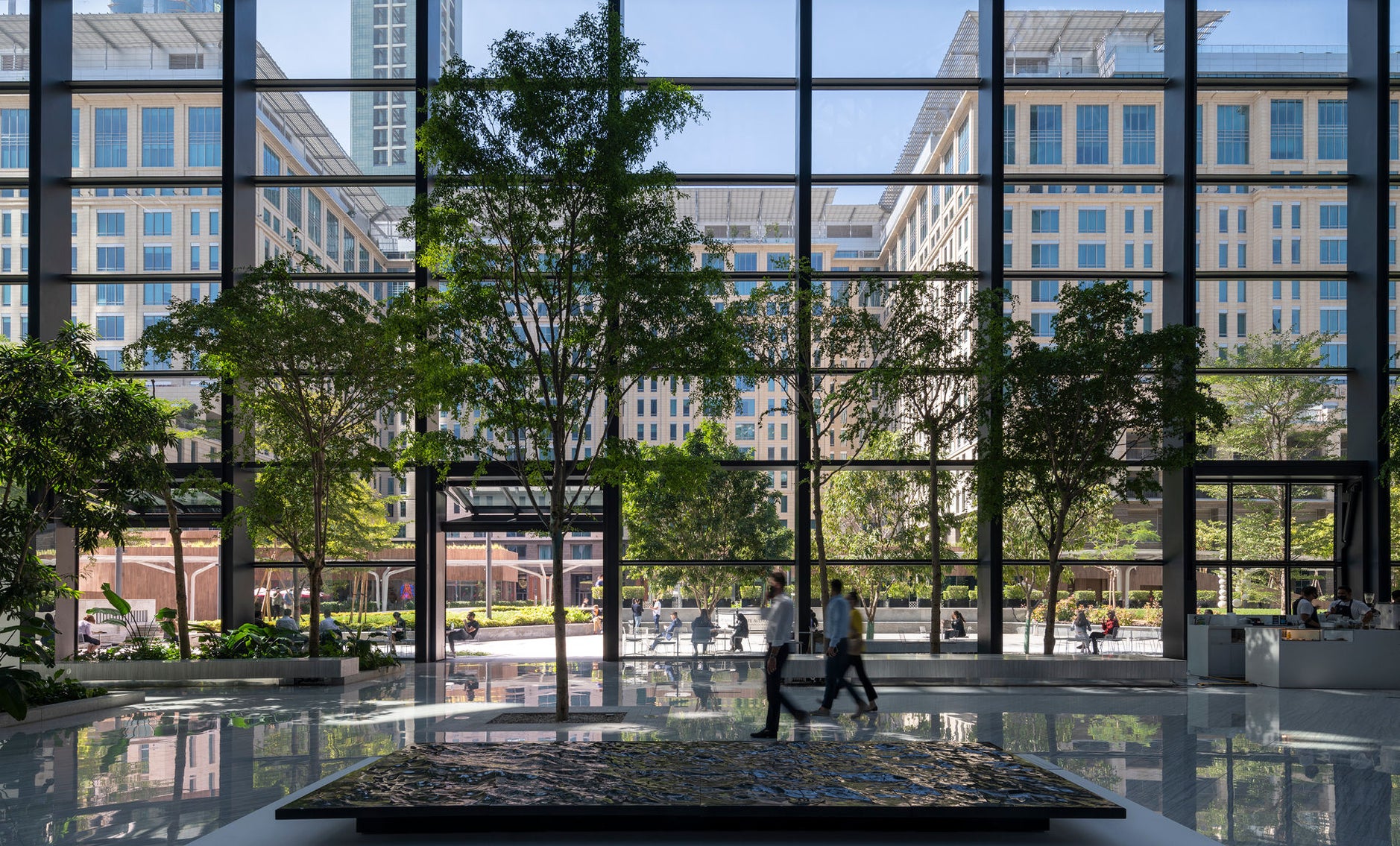
Gulf Cooperation Council (GCC) countries are undergoing an unprecedented wave of urban transformation, driven by the urgent need to diversify their economies beyond oil. National strategies - such as Saudi Arabia's Vision 2030, Kuwait's Vision 2035 and Oman's Vision 2040 - place spatial planning at the heart of economic and societal change. These strategies outline a bold vision to redefine urban living, aiming to attract global investment and talents, as a pathway to long-term economic resilience. In Bahrain, Qatar and the United Arab Emirates, a similar transformation approach has been adopted since 2008 albeit with focused urbanisation projects. Across the region, large-scale masterplans aim to make cities more sustainable, inclusive and globally competitive. However, translating these ambitious visions into reality is a complex undertaking, and success will depend on the capacity of cities and delivery teams to bridge the gap between vision and execution.
Study
From vision to reality: Implementing masterplans
Explore how GCC countries are driving urban transformation through visionary masterplanning, strategic public-private partnerships, and innovative funding models. Discover key enablers, challenges, and actionable insights shaping the future of sustainable, globally competitive Gulf cities.
Published May 2026. Available in