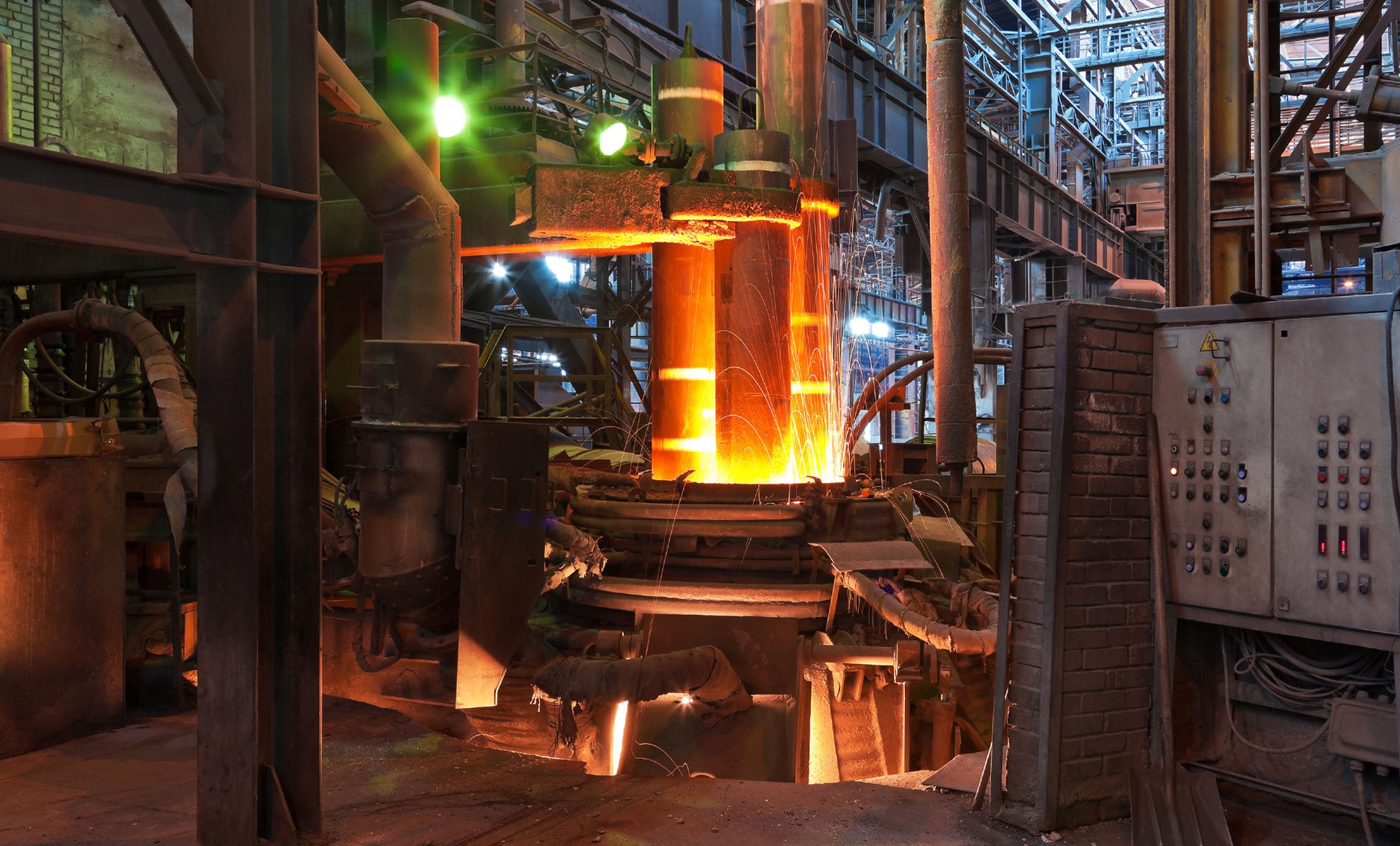
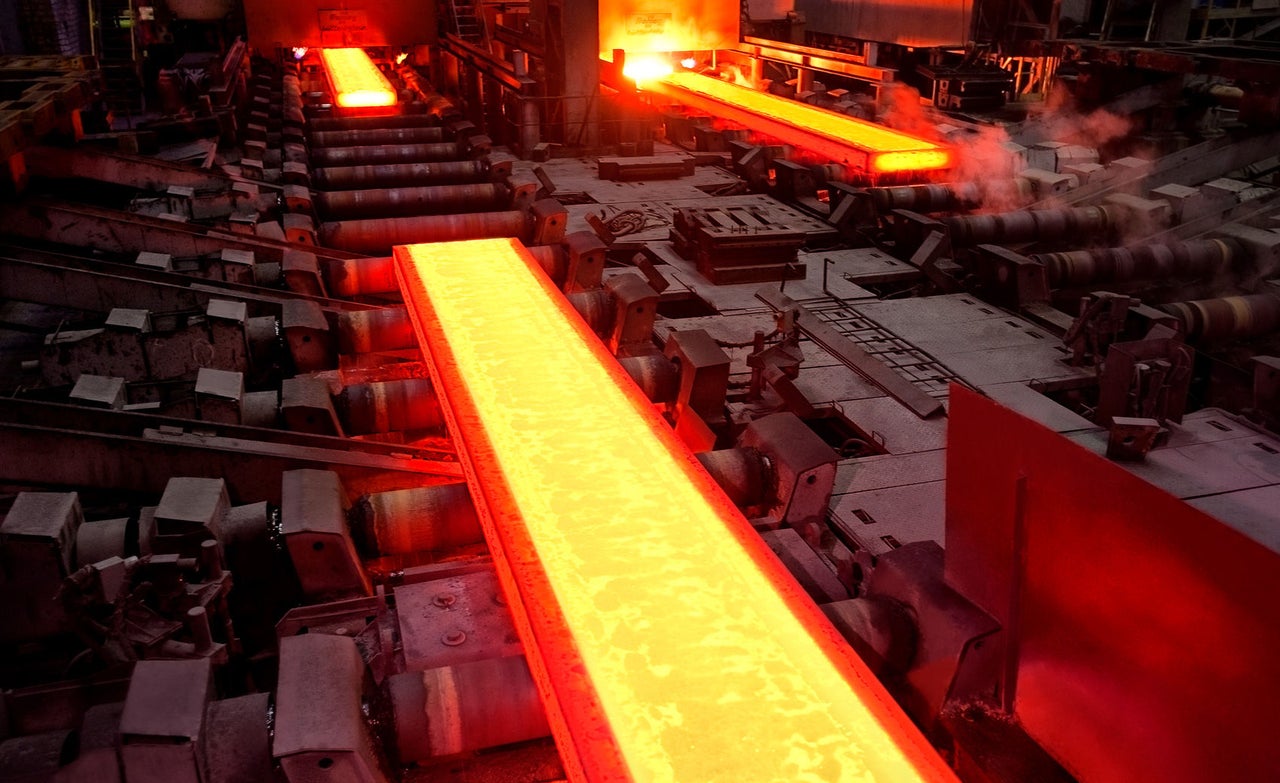
The majority of steel, around 56% in Europe and 71% worldwide, is made via primary, or integrated, production methods using blast furnaces (BF) and basic oxygen furnaces (BOF), according to World Steel Association data from 2022. The remainder is produced with electric arc furnaces (EAF), a secondary production process.
Most
carbon emissions
in steelmaking come from primary production, with BF-BOF plants roughly four times more pollutant than EAF plants. As a result, a significant amount of production is likely to switch from primary to secondary processes in the coming years. Indeed, between 2019 and 2021, the market share for primary production already fell 3%.
However, integrated plants are typically further ahead on their decarbonization journey than their EAF counterparts. As secondary steelmakers ramp up their focus on sustainability, they face three main challenges:
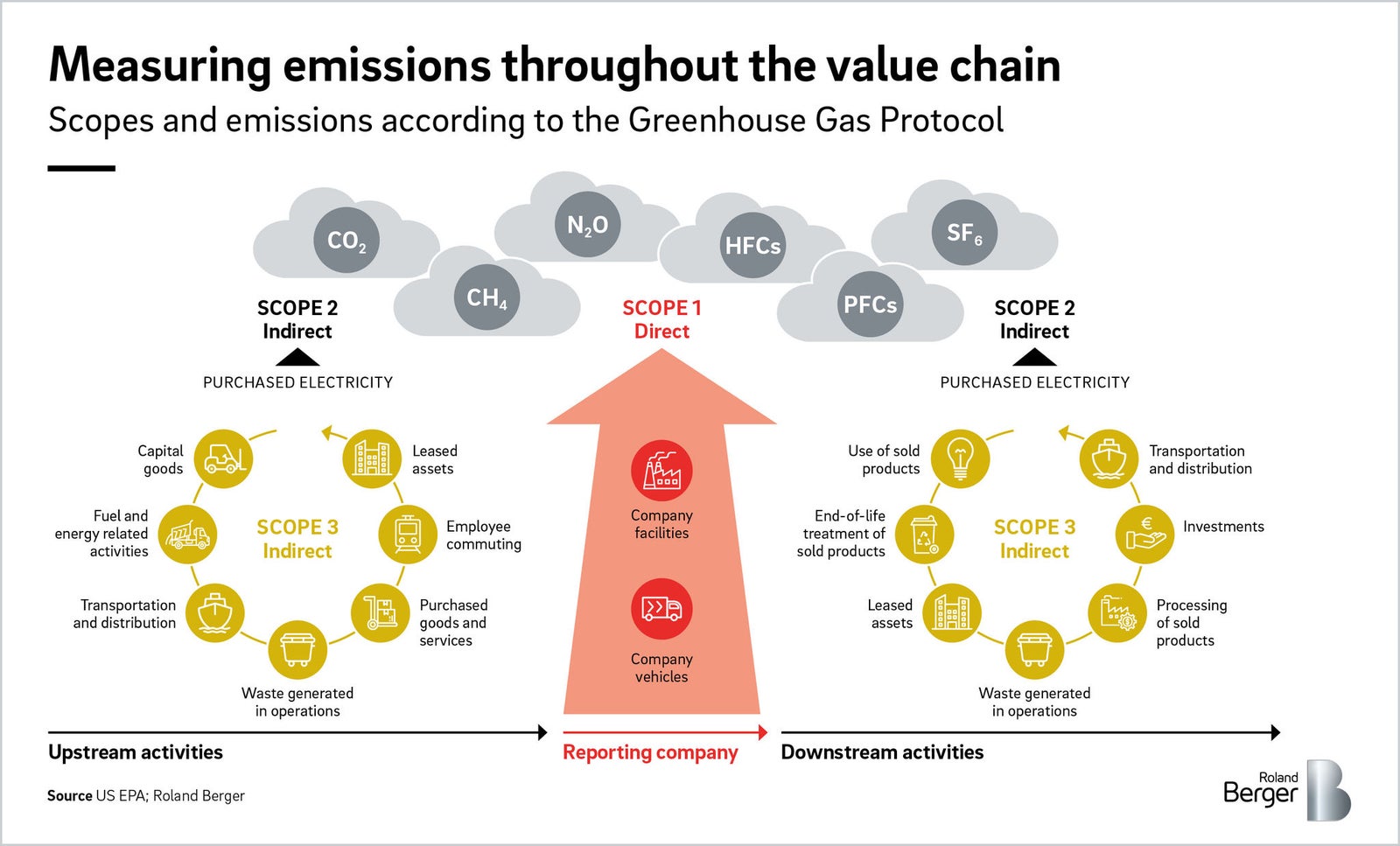
- How to accurately calculate emissions
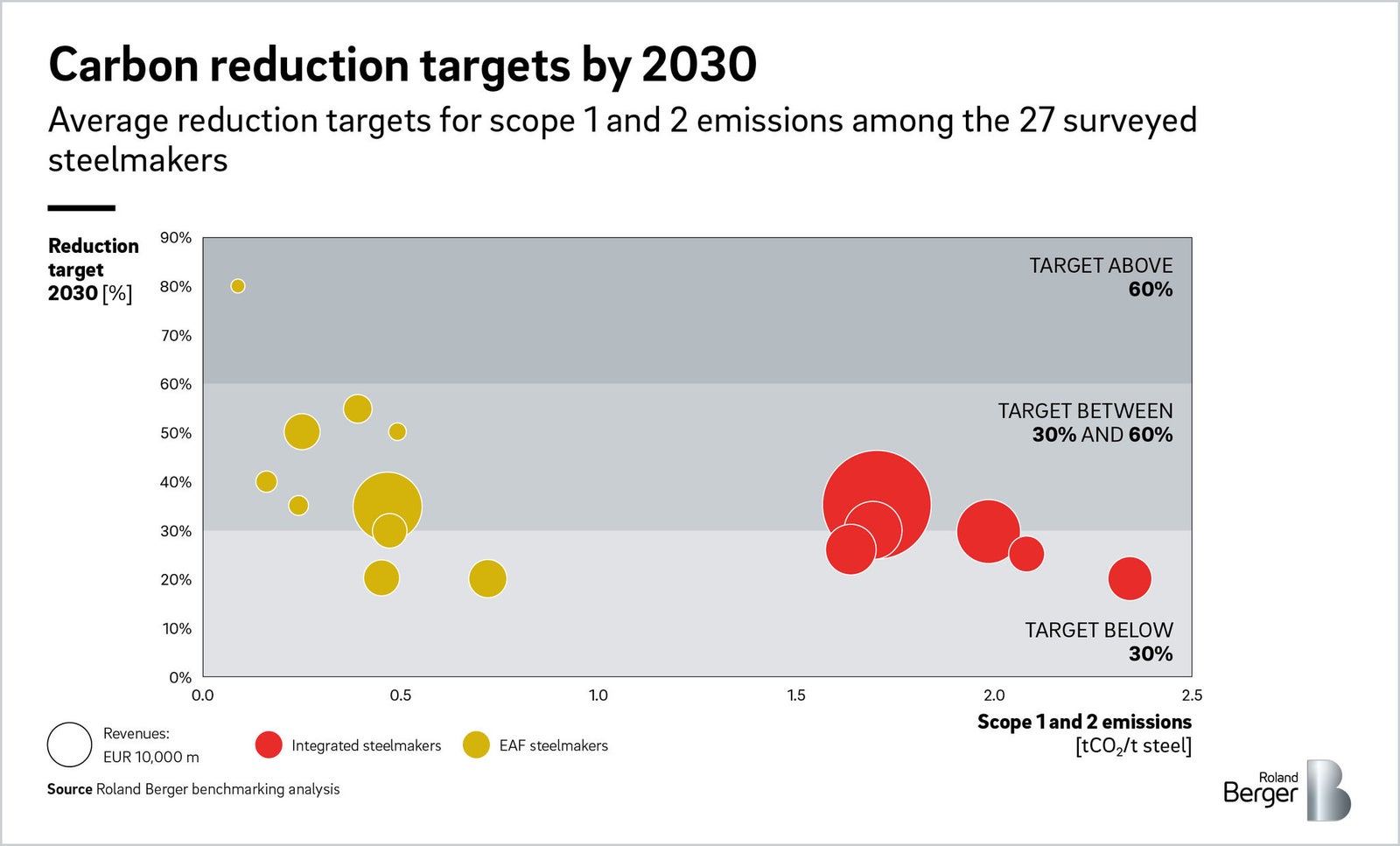
- How to set feasible emissions reduction targets and define initiatives
- How to compile a clear communication strategy to engage key stakeholders
In our report, we analyzed a group of 27 European and American steel companies including nine that use primary processes and 18 that use secondary manufacturing. We explore the challenges faced by EAF steelmakers in more detail and outline how to overcome them.