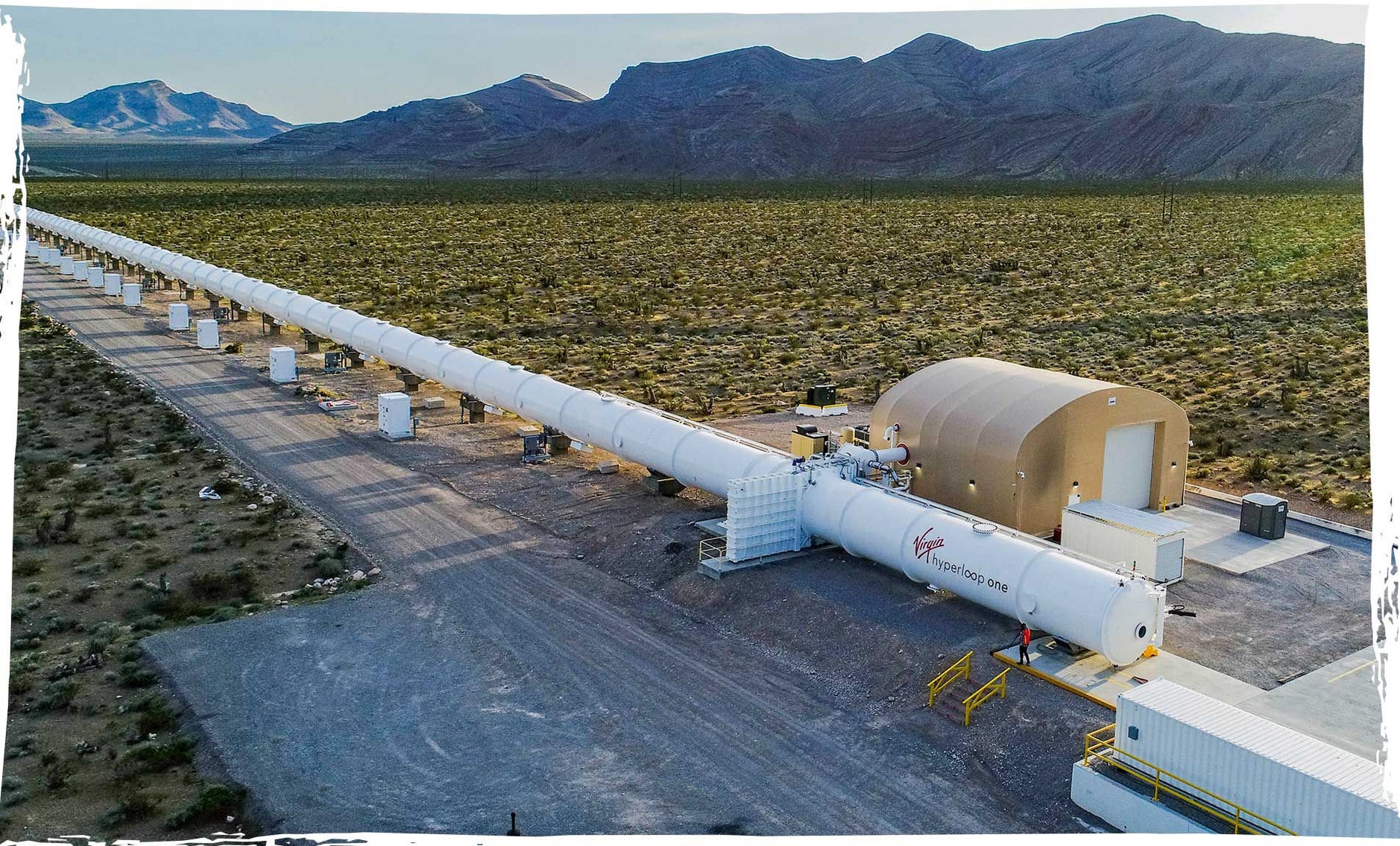
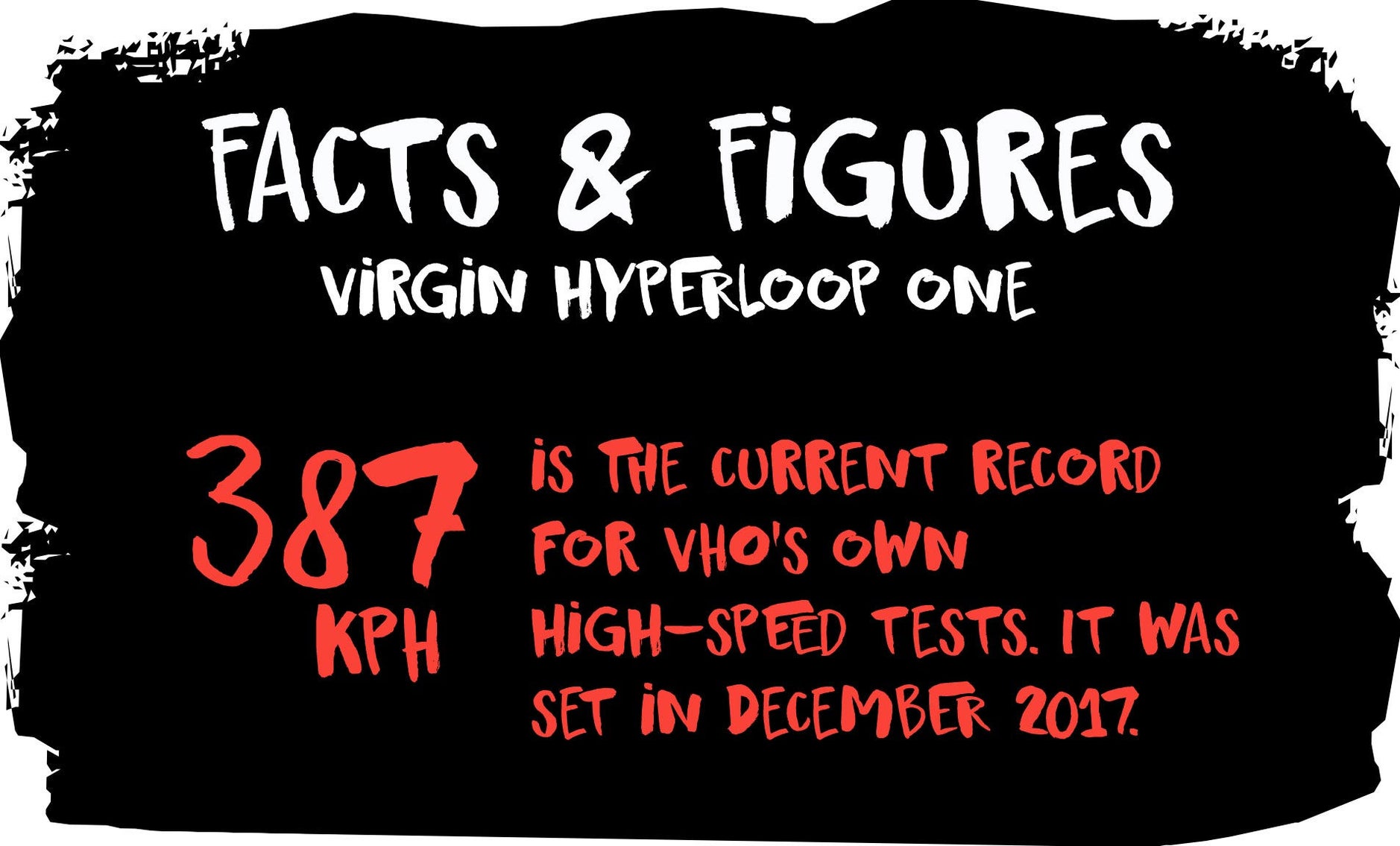
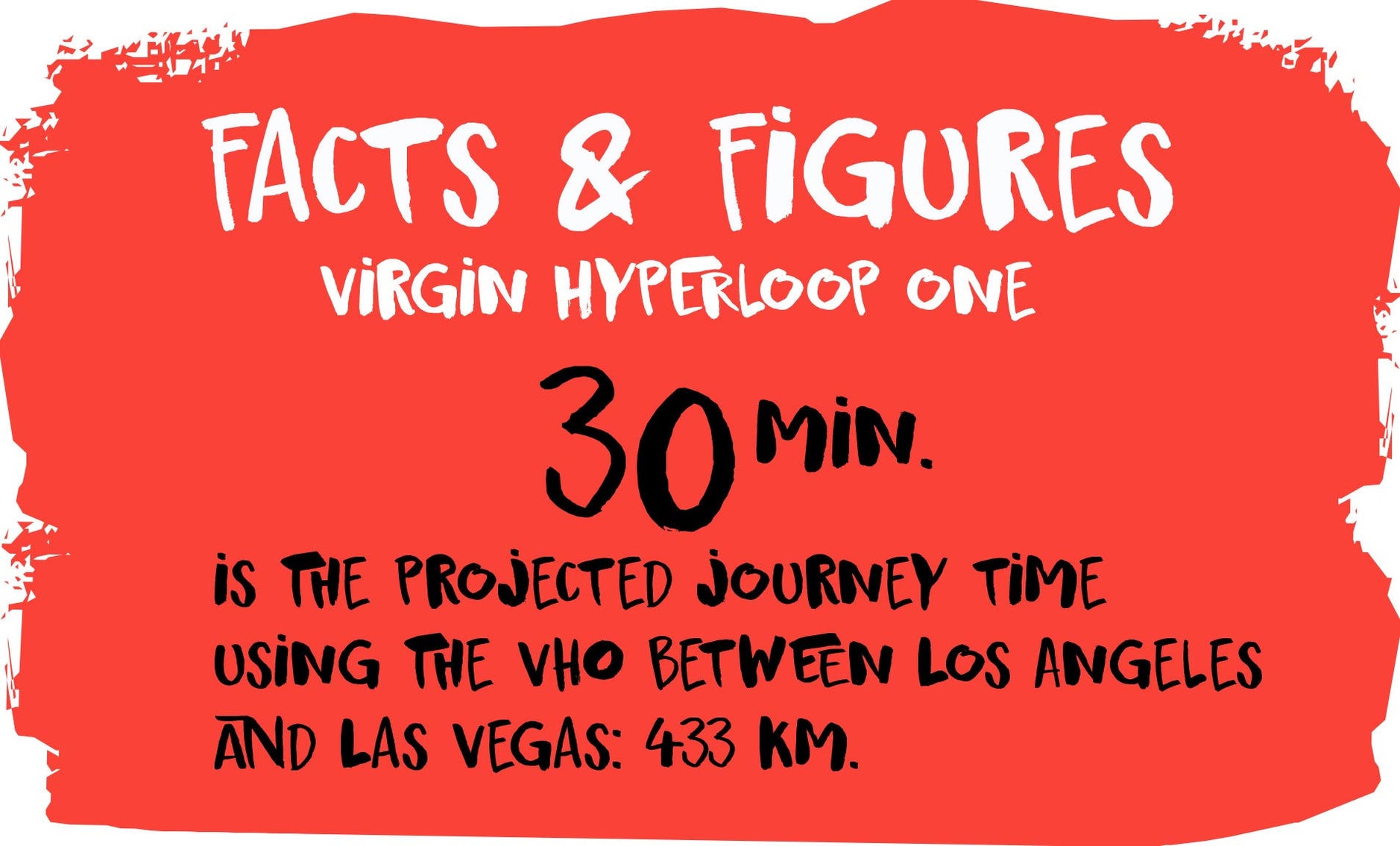
So who's right and who's wrong: the crowdsourced model or the in-house model? Which model will triumph in developing the Hyperloop? The answer, perhaps inevitably, is that it's too soon to say. With both models making quick progress and claiming large-scale work programs, it seems there is enough room for both models to coexist.
A related, broader, question is: Do flexible models of organization and development have legs in large-scale infrastructure projects? Johan Herrlin, CEO at transit data company Ito World, which worked on Hyperloop technology, says the open approach is novel, but as yet unproven: "It is, however, a very interesting idea to get brain power from a wide variety of experts that would not participate on a full-time basis. The risk is that ideas get fragmented and are difficult to pull together into a coherent plan. At the end of the day, a core group of people is needed to ensure that key elements are not compromised, especially when it comes to issues related to safety. As far as I'm aware, there are no other major transport projects that have taken this approach but perhaps that's a reflection of the speculative, highly technical work that's required to develop the plans, more than traditional projects focused primarily on execution."
In recent years, however smaller-scale "real-world" crowdsourcing projects have cropped up. Citizen engagement projects run by municipal bodies could fit into this bracket, as could crowdfunding initiatives, particularly where companies use feedback from investors to shape products and services. Haefliger points to the car company Local Motors, which evolved from a design community to eventually launch a car and take on big contracts with auto companies and even the defense industry. Jewelry maker Swarovski ran a design contest and put into production top creations which flowed in, while Threadless, which started as a T-shirt shop, is now a platform for artists and designers to sell a comprehensive range of apparel, décor, art and home accessories.
For Haefliger, whether HTT's crowdsourcing model works is almost beside the point: "There are many ways to measure success other than profitability. Will this or that specific track be built? I don't know, but it could still be successful because it creates new methods or applications. It could be a little piece of technology that eclipses everything else because it is so useful. The key is that they are producing a lot of amazing stuff, because there are a lot of great minds and engineering power in place. I'm confident they will change public transport one way or the other."