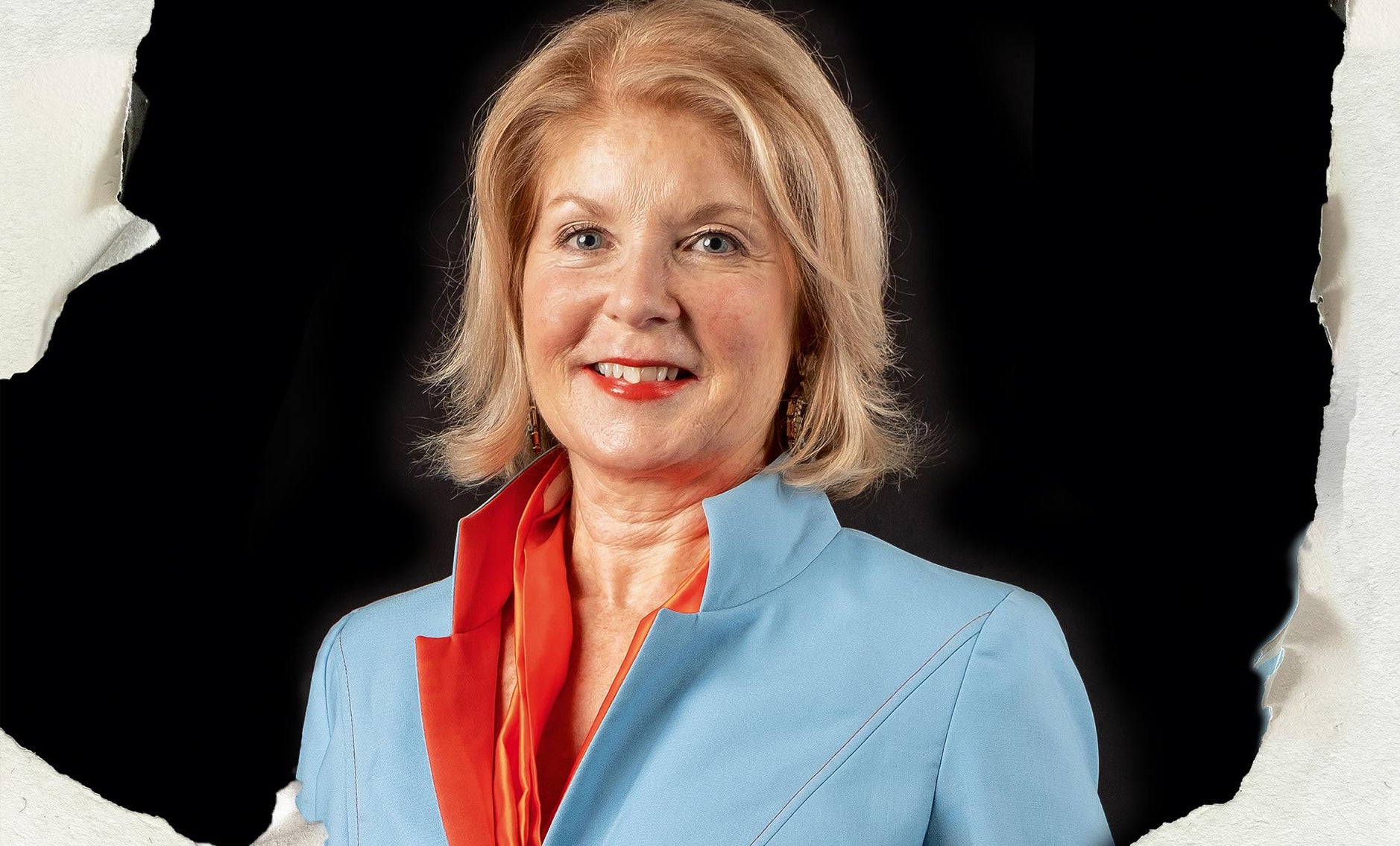
Equally important is training employers to listen to reports of wrongdoing. As Addison describes it, that can be a deep psychological challenge. "It's very difficult to listen to bad news, especially when you've got skin in the game and emotions enter the room," she says. There is also something she calls "optimism bias" – the fact that many managers are convinced, based on internal surveys, that their employees would report wrongdoing if they found it. "Most of us believe that we're good moral people, but we know from whistleblower stats that under 50% of people actually do report," says Addison.
Morality is only part of it – it's also simply a matter of responsibility. "Whistleblowers should not be seen as heroes or martyrs," says Fotaki. "That's good for the movies, but the mundane reality is quite different: These are just people trying to do their job." The recent #MeToo movement has also helped change attitudes to whistleblowing. WhistleB reported in June 2018 that the number of reports from its customers increased fivefold between the fourth quarters of 2016 and 2017, a spike which Henriksson puts down to a new attitude to reporting abuse of power. In sensitive matters like this, companies often have to enter into a dialogue with the whistleblowers to draw out all the information – which is where anonymity can be really useful. "Sometimes, like with child labor, these are also issues where people are a bit ashamed that they know about it," Henriksson says.
Anna Romberg, an ethics and compliance officer at Cargotec, a Finnish cargo handling solutions and services company, is one of WhistleB's clients. She has also noticed that some issues are still best addressed by providing an anonymous reporting line. "The tool has been instrumental, especially when it comes to very sensitive matters, such as discrimination and harassment," says Romberg. In her career at Cargotec and elsewhere, she has been involved in cases where fraud schemes have been revealed by whistleblowers. But Romberg is keen to emphasize that "the cases
that lead to the most tangible benefits for the
comp-any, cases with great financial implications, are usually cases where an employee speaks up and makes contact directly with my team. The anonymous cases may be more challenging to investigate, especially if the person with information about the case is hesitant to meet and provide more information."
There are benefits to anonymity, however. "The whistleblower system, in its structure, is very democratic," says Henriksson. "You can be a worker in a factory in Bangladesh and you can be the CFO at the headquarters in Frankfurt and you have the same rights to use this channel if you feel there is a deviation either to your own ethical code or that of your company." It has taken a while for this to sink in. In one company WhistleB provided its services to, middle management levels were very hesitant about introducing a new whistleblowing service, Henriksson recalls. "But then when we had implemented it and everyone had understood what it was all about, it was something that people were extremely proud of," she says. "Some of the companies are actually treating the whistleblowers internally as heroes now." On average, WhistleB's tools are used once a year per 400 employees, which the company considers a relatively healthy rate. "If you detect wrongdoing at an early stage, you strengthen your brand and you can work preventively. And if you have a whistleblowing system, you can avoid the wrongdoing in the first place," she said.
Should attitudes change too much, of course, the opposite problem could arise: that companies are actively encouraging people to report wrongdoing openly. "That would be a problem, but a very positive one," says Henriksson, smiling. "That would actually be the ultimate goal, wouldn't it? Then I would have to do something else." Addison is also optimistic that the narrative is changing in business. "There are still stories like mine," she says. "By the time whistleblowers approach me, they're already in the quagmire – I get whistleblowers from all over the world connecting with me who are living in their cars, who are separated from their families because of jurisdiction laws, and they're having a pretty miserable time of it. But I also see corporations starting to handle what they perceive to be very hot potatoes."