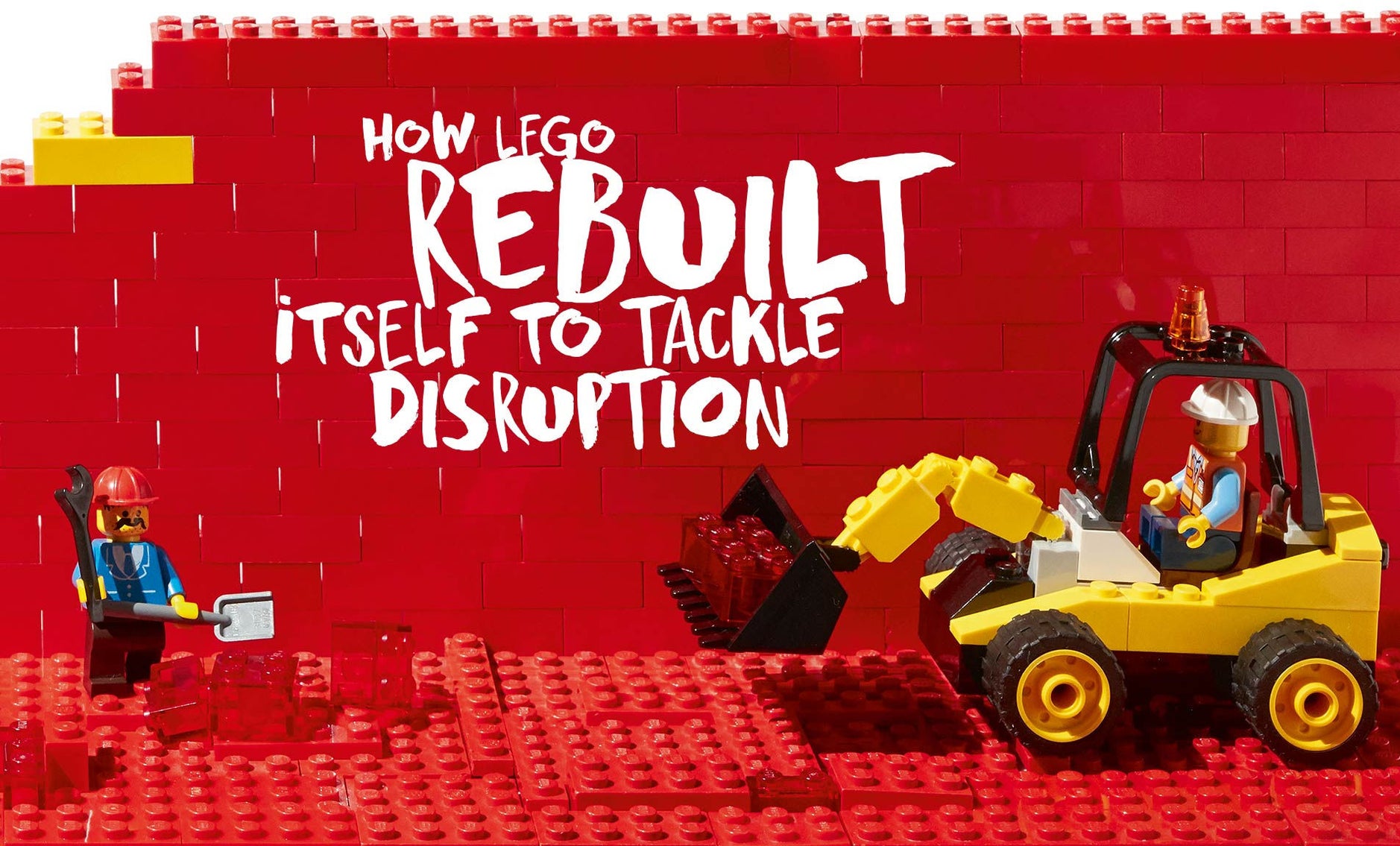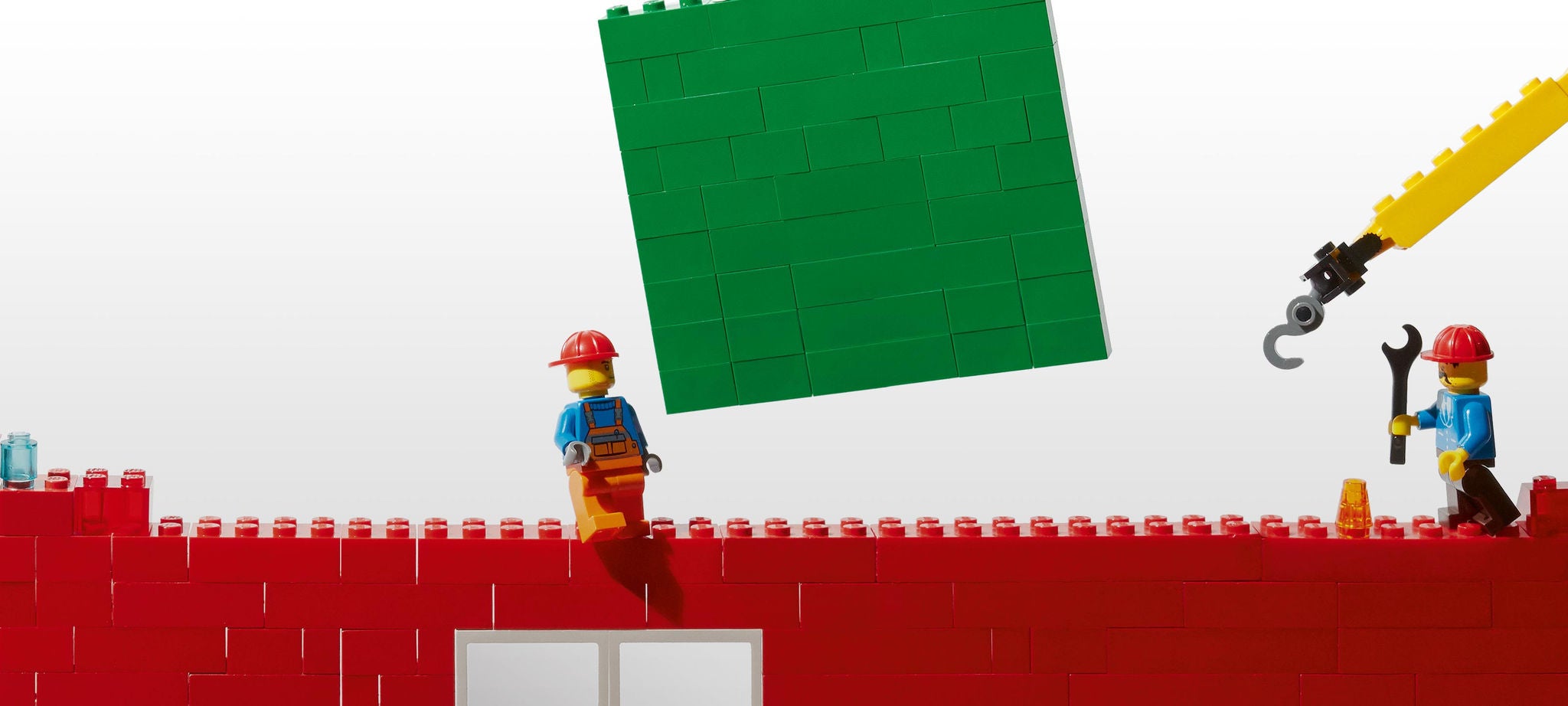

Fifteen years ago Lego was staring into the abyss of bankruptcy, so it decided to write its own rules for success. Going back to basics helped the Danish toymaker become a major player again and it showed that achieving such a turnaround is anything but child's play: it takes leadership, a willingness to rebuild from the ground up and, most of all, vision.
When you think ofLego's products, Galidor, Jack Stone, and Steven Spielberg Moviemaker are not the first names to trip off the tongue. But they are the symbols of something darker – the Danish toymaker's brush with near bankruptcy at the start of this century. Amid the dot-com boom and the first dawn of digital play, the privately held company was bleeding money at a remarkable rate as experiments away from the plastic bricks that had brought it fame failed. "It's hard to understate how grim things seemed inside the company in 2003. How close they were to bankruptcy. There was a belief that it was going to be necessary to sell the company or liquidate it," says David Robertson, who wrote "Brick by Brick: How Lego Rewrote the Rules of Innovation" and "Conquered the Global Toy Industry". Radical proposals floated around. One came from Anders Drejer, a professor at the department of business and management at Aalborg University, who suggested Lego jettison its most distinctive product. "I actually proposed to Lego that they should stop making the brick because the physical brick wasn't essential to them. They could outsource that."