One of the most pressing issues is the contribution of agriculture to
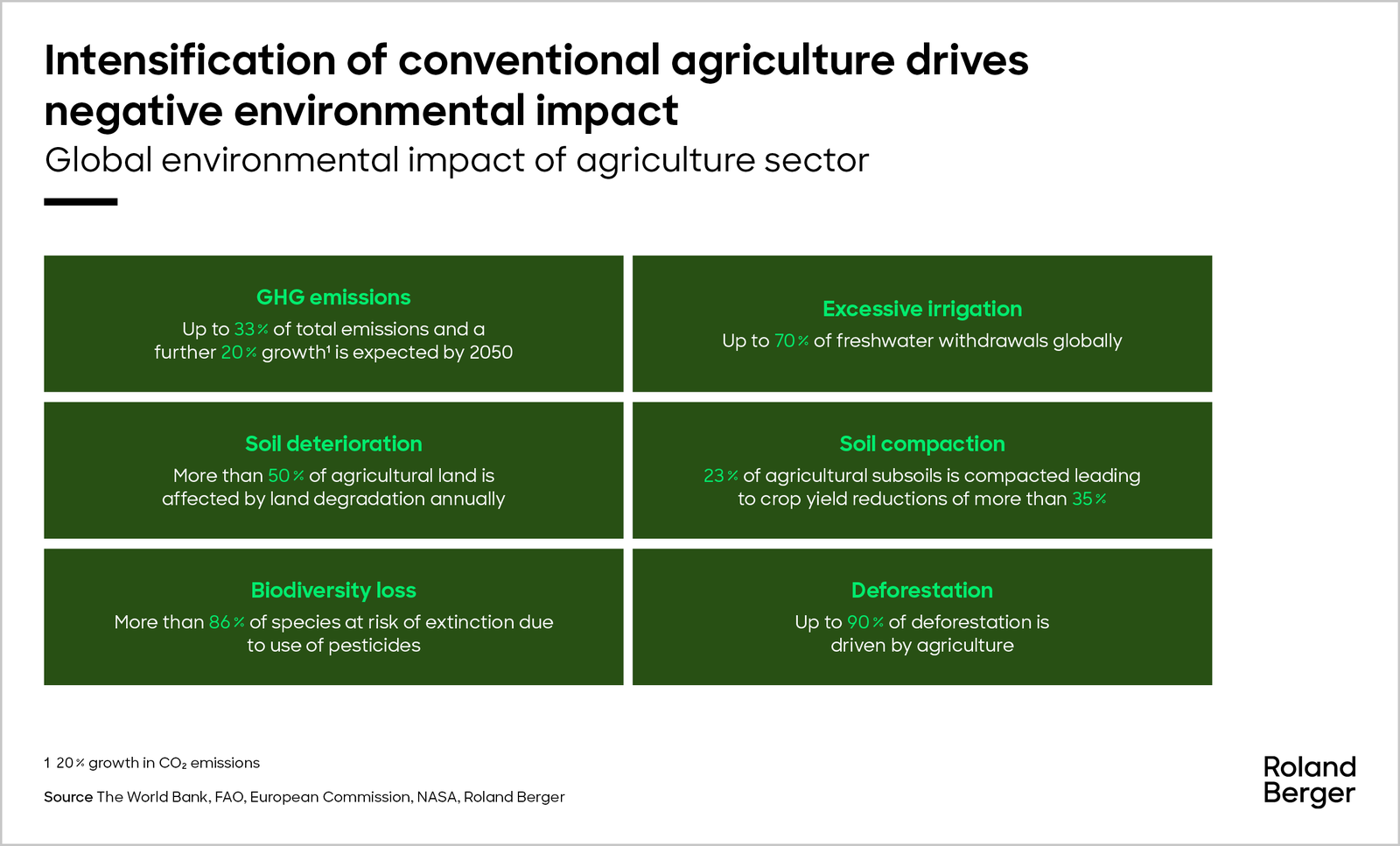
greenhouse gas (GHG) emissions.
Poor soil and manure management, combined with the decomposition of organic matter, releases significant amounts of methane and nitrous oxide, two potent greenhouse gases. This positions agriculture as a major driver of climate change, exacerbating global warming.
Soil degradation is another critical challenge linked to intensive farming. Invasive practices such as excessive tilling and the overuse of chemical inputs deplete essential nutrients, erode soil structure, and diminish its fertility over time. This reduces soil fertility and requires a gradual increase of chemical inputs to maintain the yields at previous levels, driving GHG emissions even further.
Biodiversity loss further highlights the environmental toll of intensive farming. The widespread use of pesticides indiscriminately targets pests and beneficial organisms, leading to ecosystem imbalances and the decline of essential pollinators and other species. Such
disruptions in biodiversity
undermine the resilience of agricultural ecosystems to infestations and climate events.
Water resource depletion
is another significant consequence of industrial agriculture. Intensive irrigation practices place immense pressure on freshwater supplies, drawing heavily from rivers, lakes, and underground aquifers. This unsustainable extraction threatens both local ecosystems and long-term water availability for agricultural and human needs, especially in regions that are naturally scarce in freshwater.
Additionally, soil compaction caused by heavy machinery and overgrazing reduces the soil's ability to retain water and nutrients, ultimately lowering productivity. Compacted soil becomes less hospitable for plant roots and microbial life, diminishing soil fertility.
Deforestation compounds these issues, as the expansion of agricultural land often comes at the expense of forests. Clearing forests destroys vital habitats, reduces biodiversity, and releases stored carbon into the atmosphere, contributing to climate change.
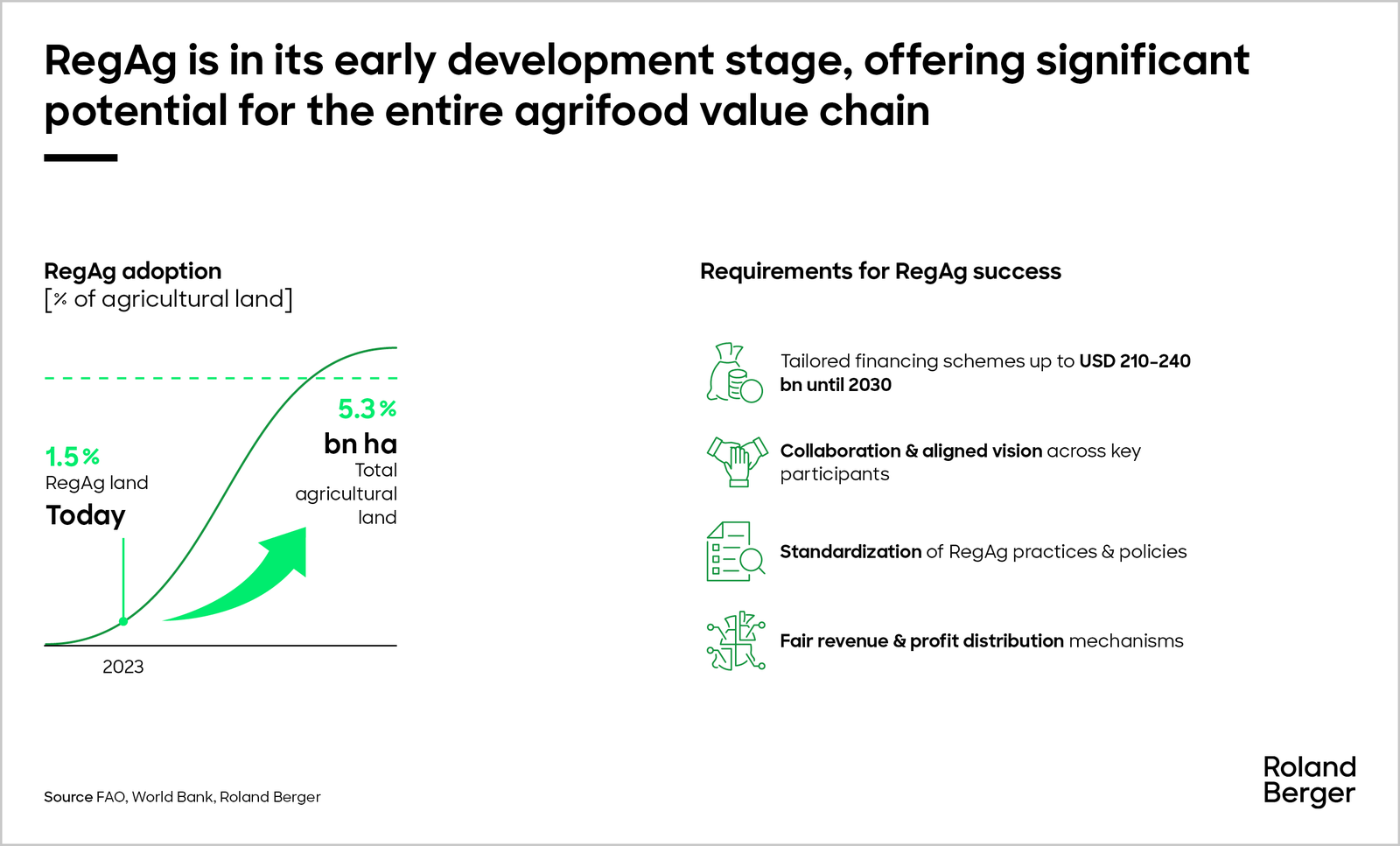
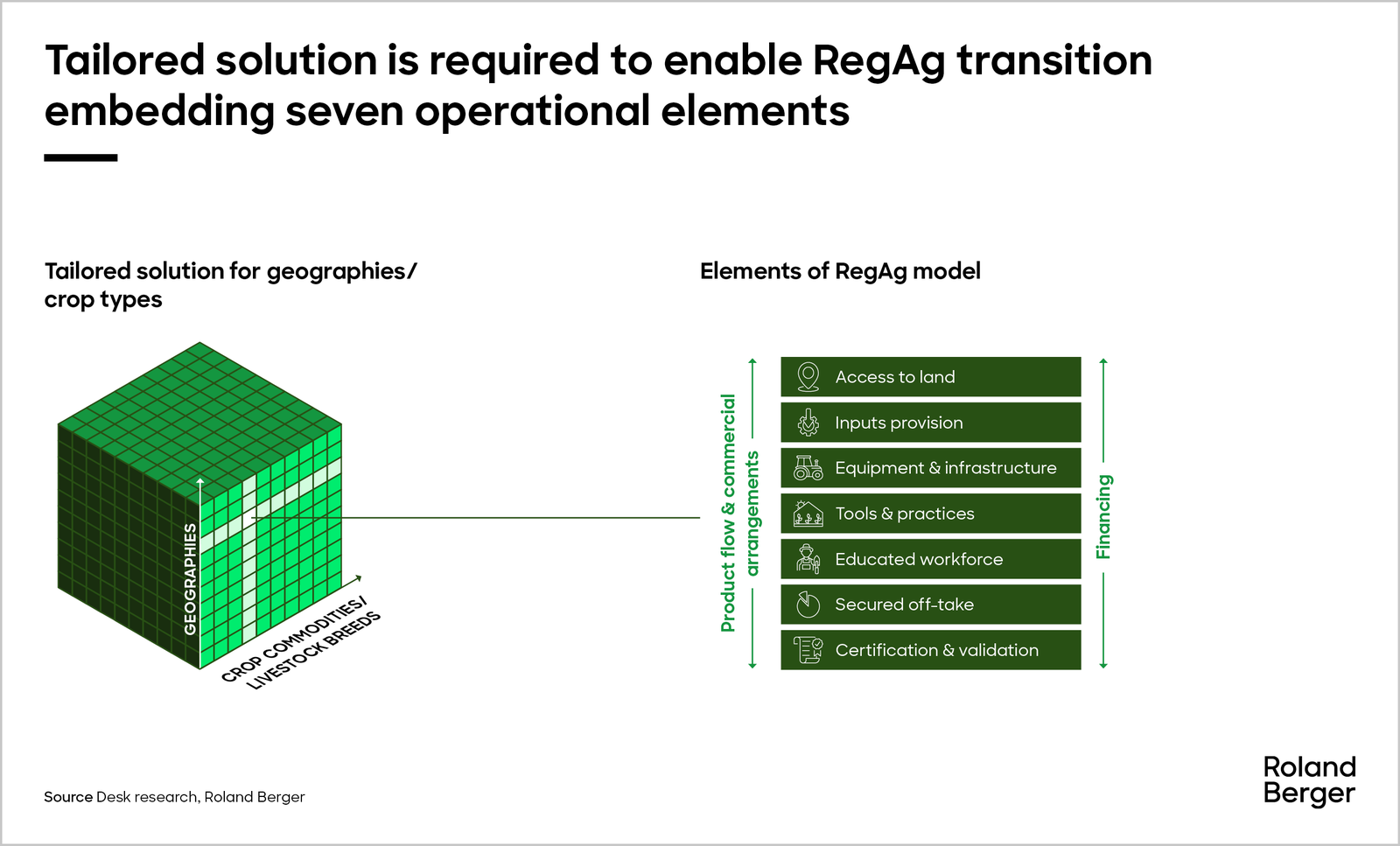
The cumulative environmental consequences of these practices underscore the urgent need for a paradigm shift in food production. Sustainable and regenerative approaches must replace the harmful practices of intensive farming to ensure agricultural productivity aligns with ecological preservation. This transition is essential for protecting the environment and securing a viable future for global food systems.