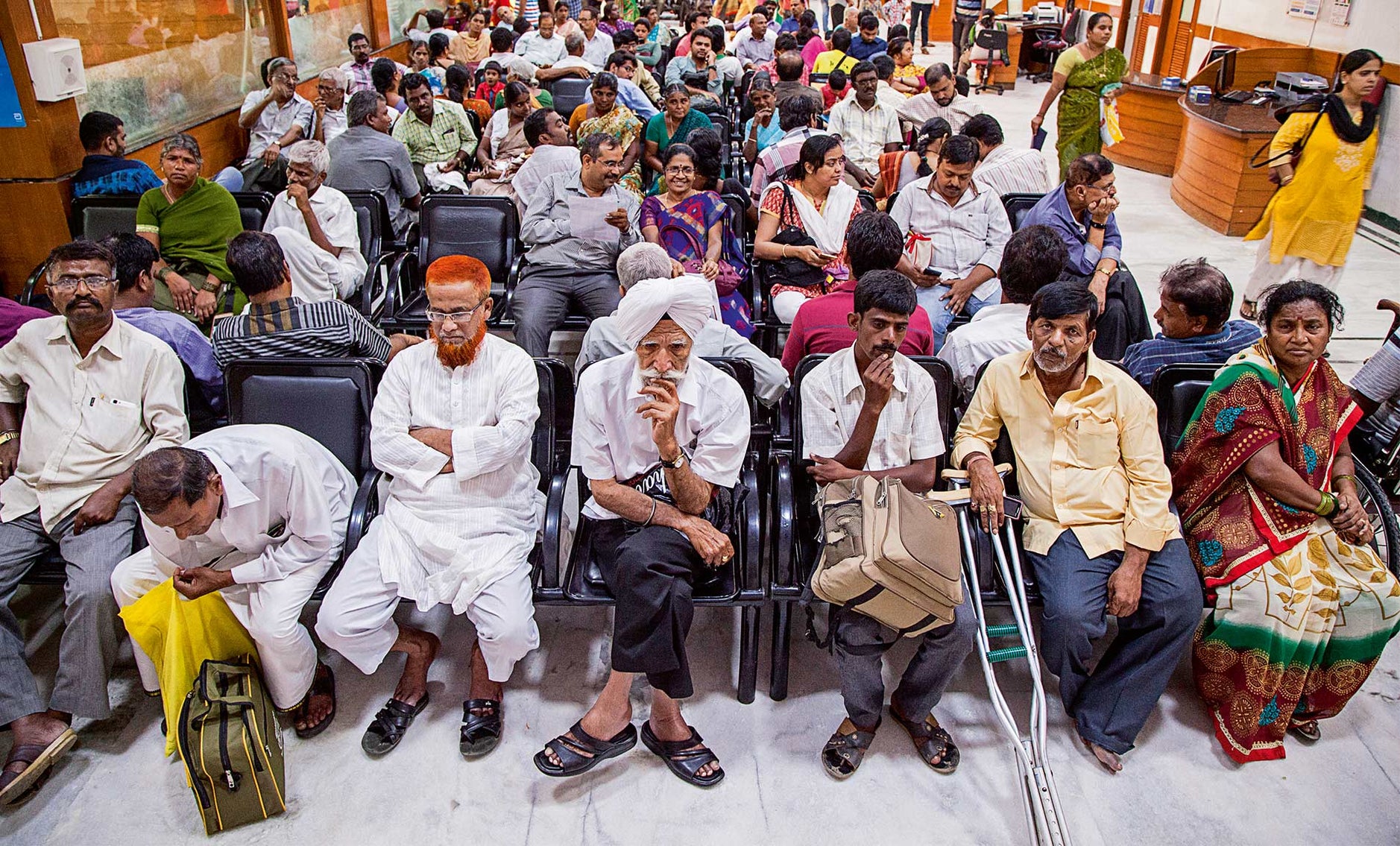
The third driver for cost-cutting in NH is good old frugality and financial discipline. The foyer at the NH in Bengaluru is minimalist, the wards and waiting rooms are clean and without embellishment and, except where medical equipment is used, natural ventilation replaces air-conditioning. NH monitors and measures cost regularly. Its ERP is implemented on cloud, providing real-time information and accessible remotely even at its small town clinics. Senior consultants and doctors get an email and text by noon every day with the previous day's revenue, expenses and estimated EBITDA margins. This not only tunes all employees into NH's goal of frugality, but also helps doctors consider the cost component when they schedule their surgeries. Shalini Rajesh, a diabetologist who has worked at NH since its inception, says: "All of us must be on the same page, work in the same direction... As doctors, our decisions are based on medical parameters, but the financial SMS habituates us to balance free and paid surgeries, or just be conscious of the size of our responsibility. It reminds us that everyone can contribute."
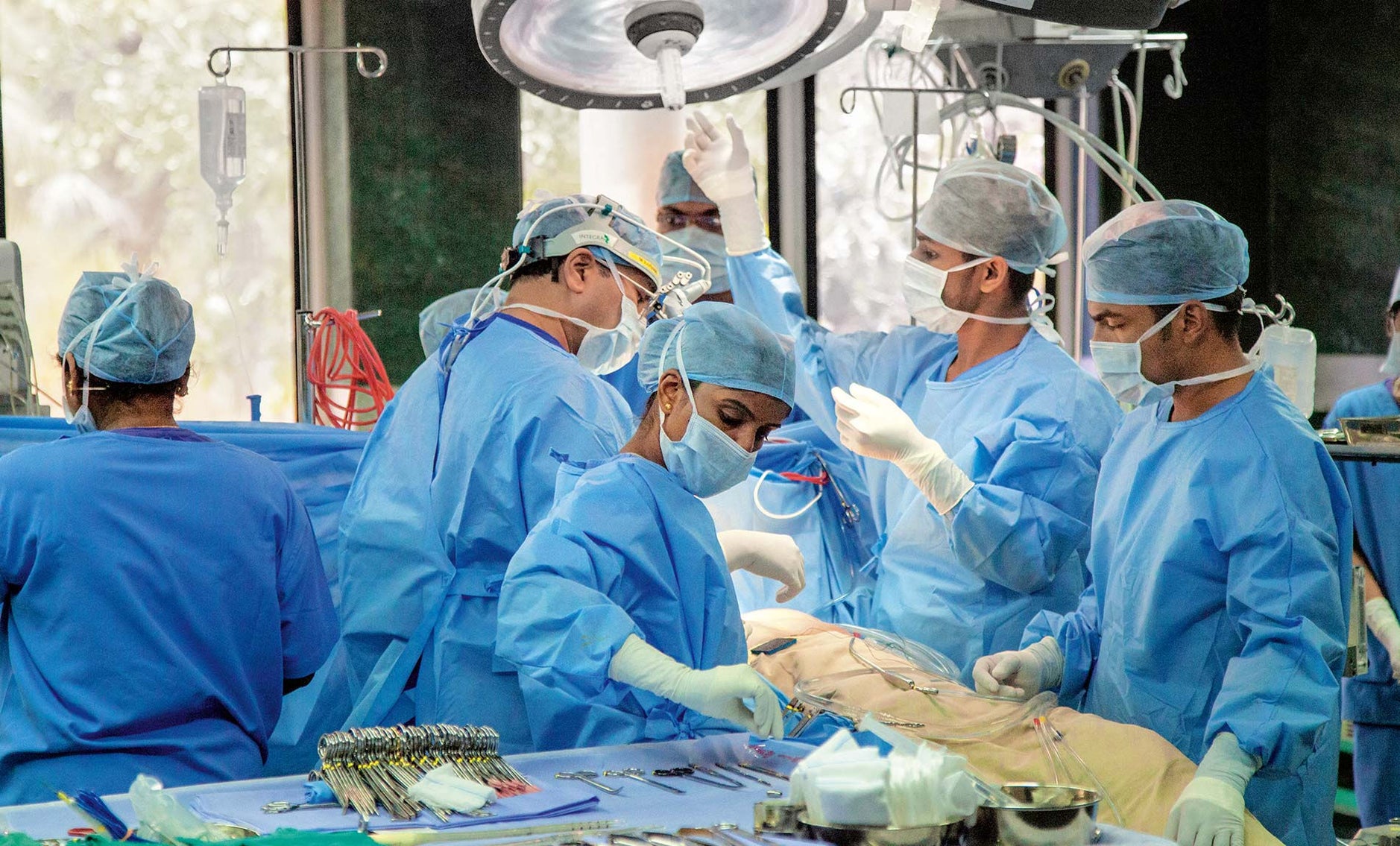
Frugality is common in Indian hospitals, says Tarun Khanna, "but NH has more practice doing it, simplifying complex things by trying fresh iterations." For instance, it utilizes personnel and medical equipment far more efficiently than most. While hospitals in the West spend about 60% of their revenues on salaries, Shetty says NH spends only 22%. "This doesn't mean our doctors and staff are poorly paid, but that they work 12–16 hours, longer than most, performing more procedures," says Shetty. NH doctors perform approximately 30 surgeries a week, double the average doctors in other major Indian hospitals do. Instead of being paid per surgery, they are paid a fixed salary to maximize productivity.
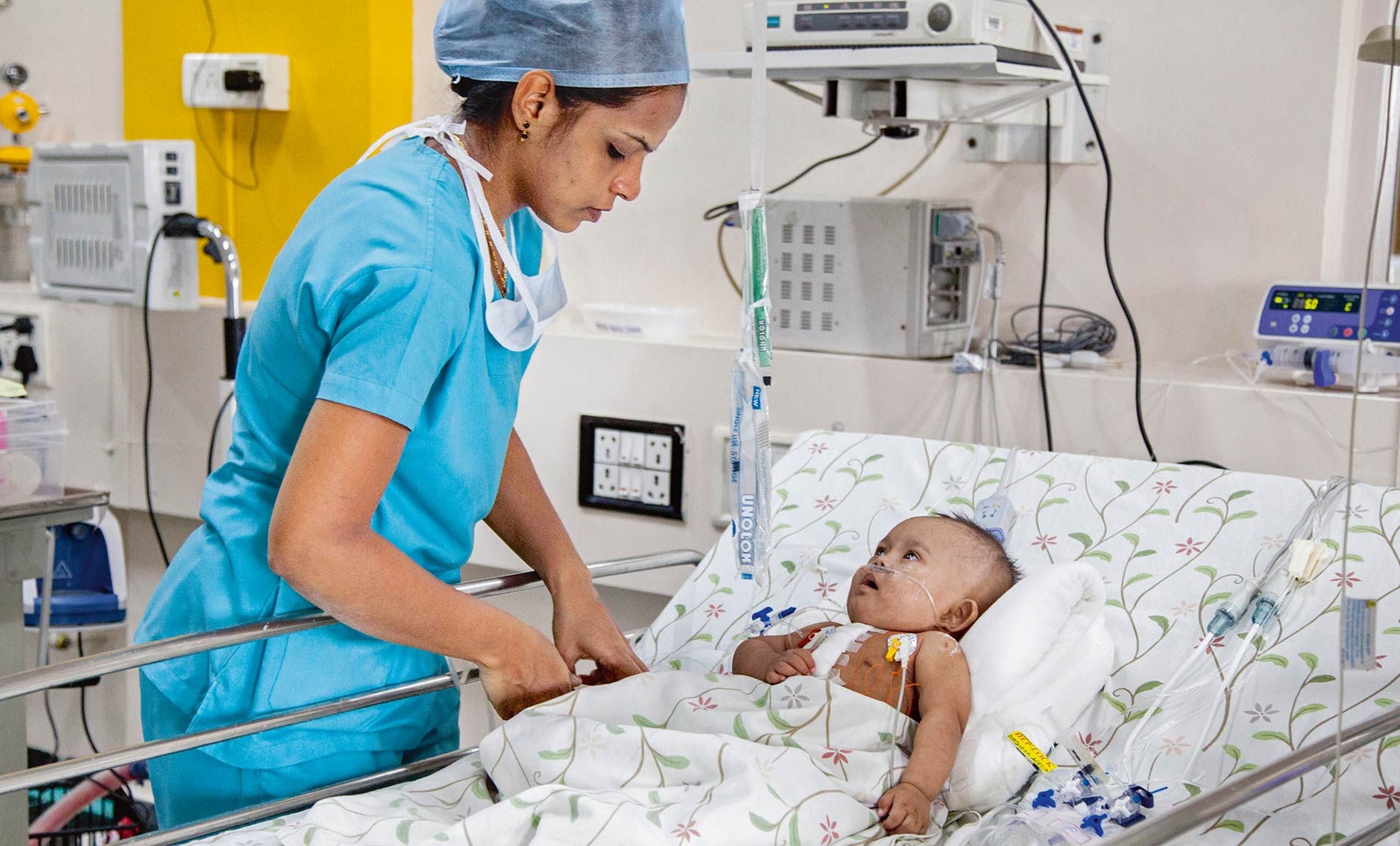
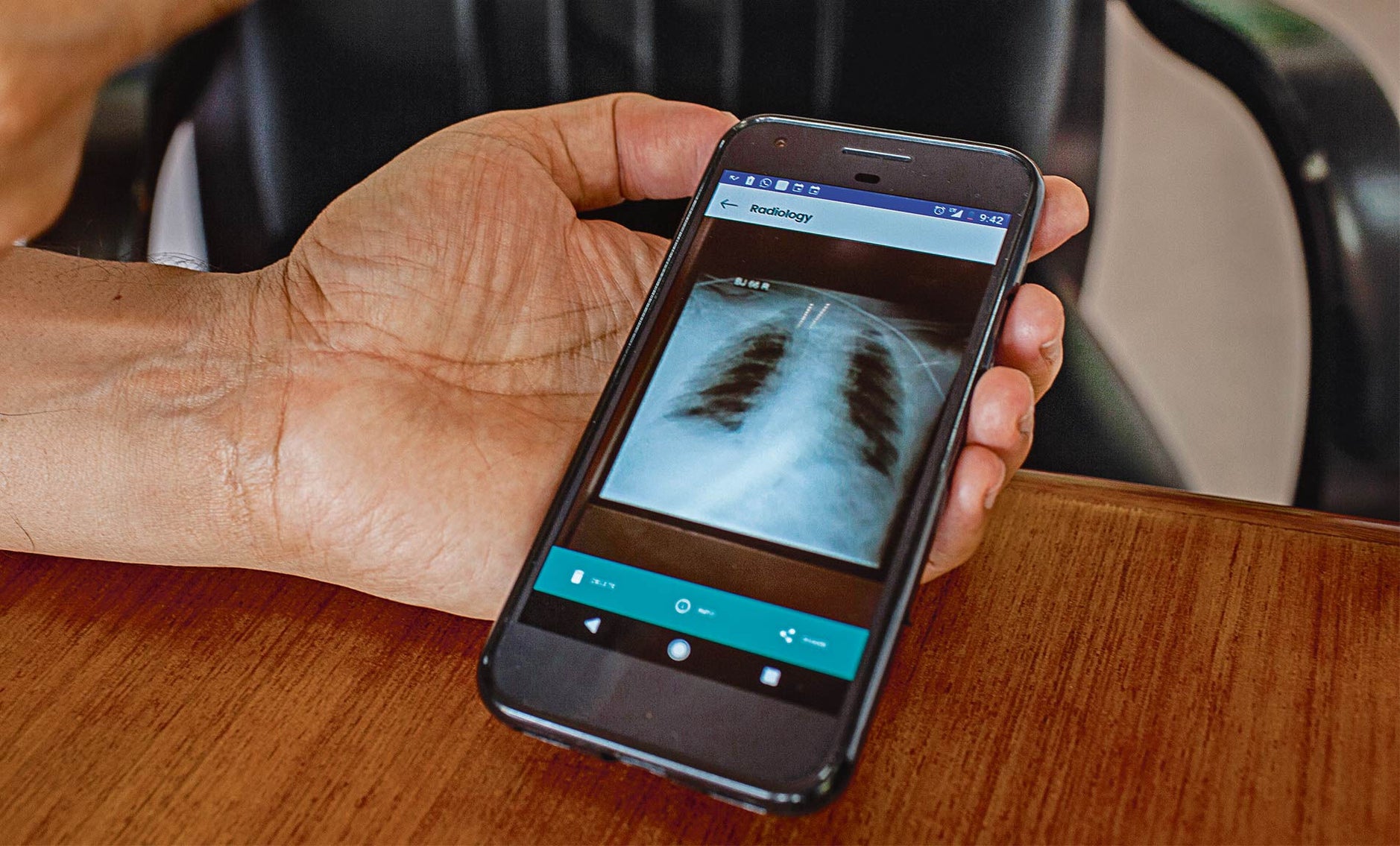
Khanna writes in the Harvard Business School case study on NH that very early on, instead of doing chest X-rays with film that required processing, the hospital cut the recurrent cost through digital X-rays. "Hospitals in America, Singapore, Malaysia and Thailand have ICUs for individual patients, each served by one or even three senior nurses," says Viren Shetty. "In NH, most ICUs hold more patients, and we distribute the same experienced nurses across many, using supervision, protocol and inspection to control errors." NH does not buy all its equipment, and rather leases some on a pay per- use basis to keep capital costs low. They are maintained well to extend their life. Ultrasound machines, for instance, cost between $20,000 and $75,000. NH scans 200 times more than an average American hospital, and 100 times more than Indian ones, reducing the unit cost of each scan.
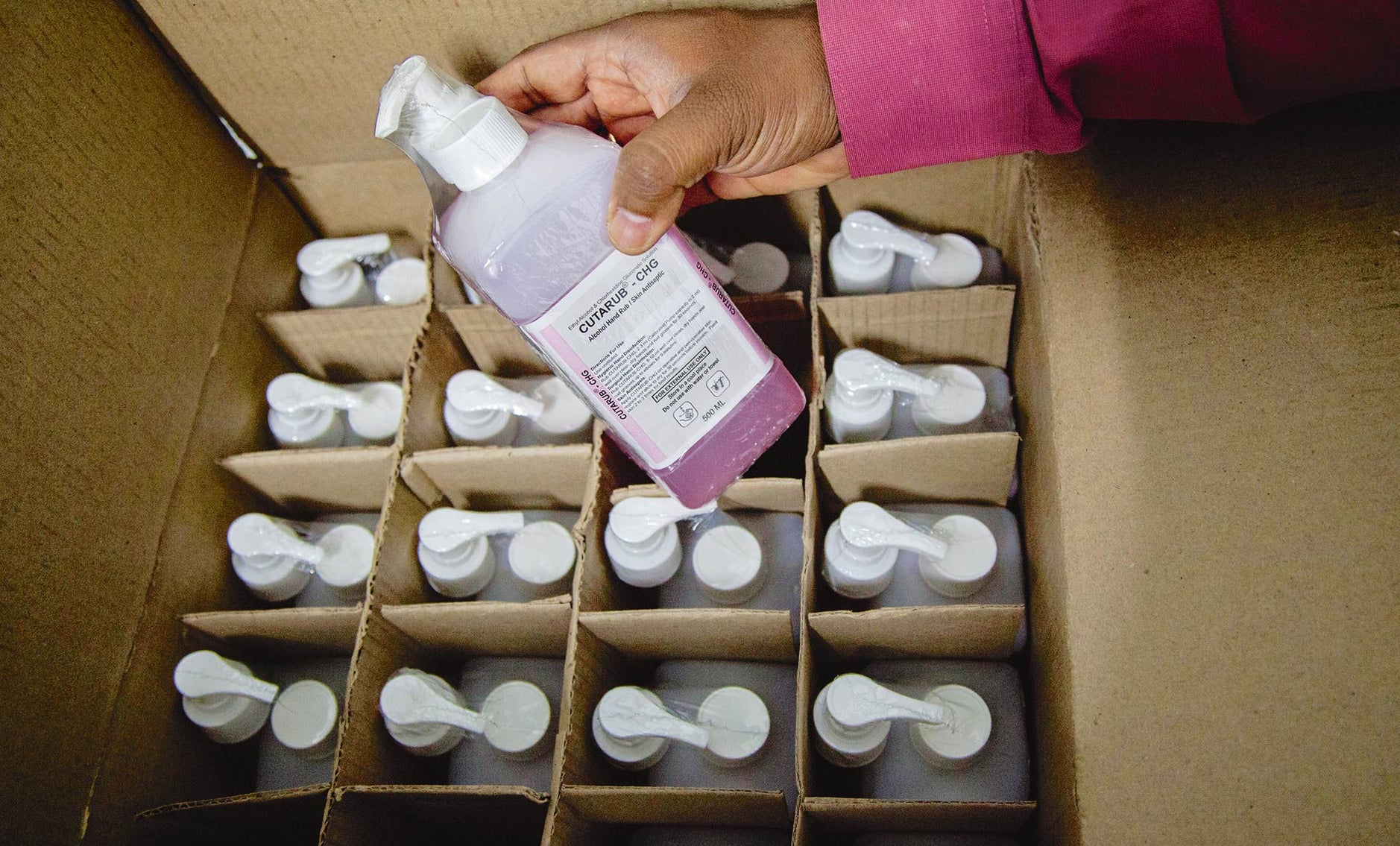
Some frugal ideas, of course, don't work out. For example, it tried to have zero inventory: Instead of storing consumables, it got suppliers to deliver them just in time. Quality suffered. So instead, NH set up an in-house central buying unit and standardized purchases. "Being innovative means to accept failures and take corrective measures," says Viren Shetty. The central unit makes 80% of all purchases, cutting inventory costs by 15% to 40%.
Back in his office, Devi Shetty points behind him to refer to his neighbor, Electronic City, the hub of India's IT revolution. "We think India's potential is there," he says. "But it is here. It is in health care. The world's best health care innovations will be from India, not the US or Europe. What I have done is just a beginning."