
How would you describe the main changes among players in the charging market?
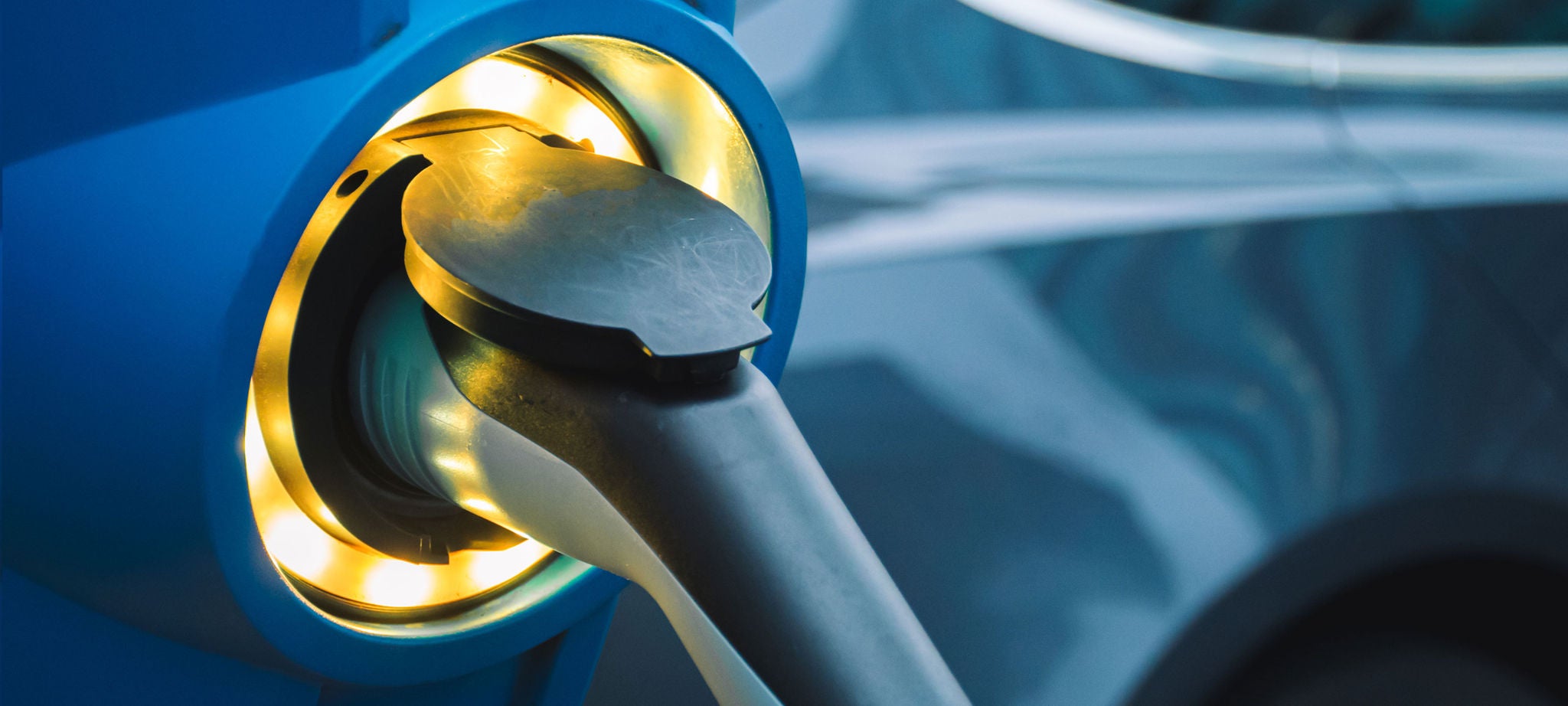
Expansion and sharing are the main themes for Chinese charging players. Leading operator NIO upgraded its battery swap stations earlier this year to enable faster, more efficient swapping and make it a viable alternative to charging. The company also plans to open more than 100 swap stations in Europe in 2023. What’s more, NIO is looking to branch out into cross-brand cooperation. But to establish ‘battery-as-a-service’ in the swapping model, a unified and complete standard system must first be established. Issues with reliability and connectivity need to be carefully addressed during this transition.
Tesla and local auto OEMs like Zeekr, XPeng and Aion have all decided to open up their own charging networks to other brands. Together with local partners, premium overseas OEMs are also becoming increasingly engaged in setting up their own charging networks in China. Audi China, for instance, has more than 75 high-speed charging stations in 25 Chinese cities, including Beijing, Shanghai, Guangzhou and Shenzhen. A high-quality branded charging experience can help OEMs enhance the overall driving experience for their customers.