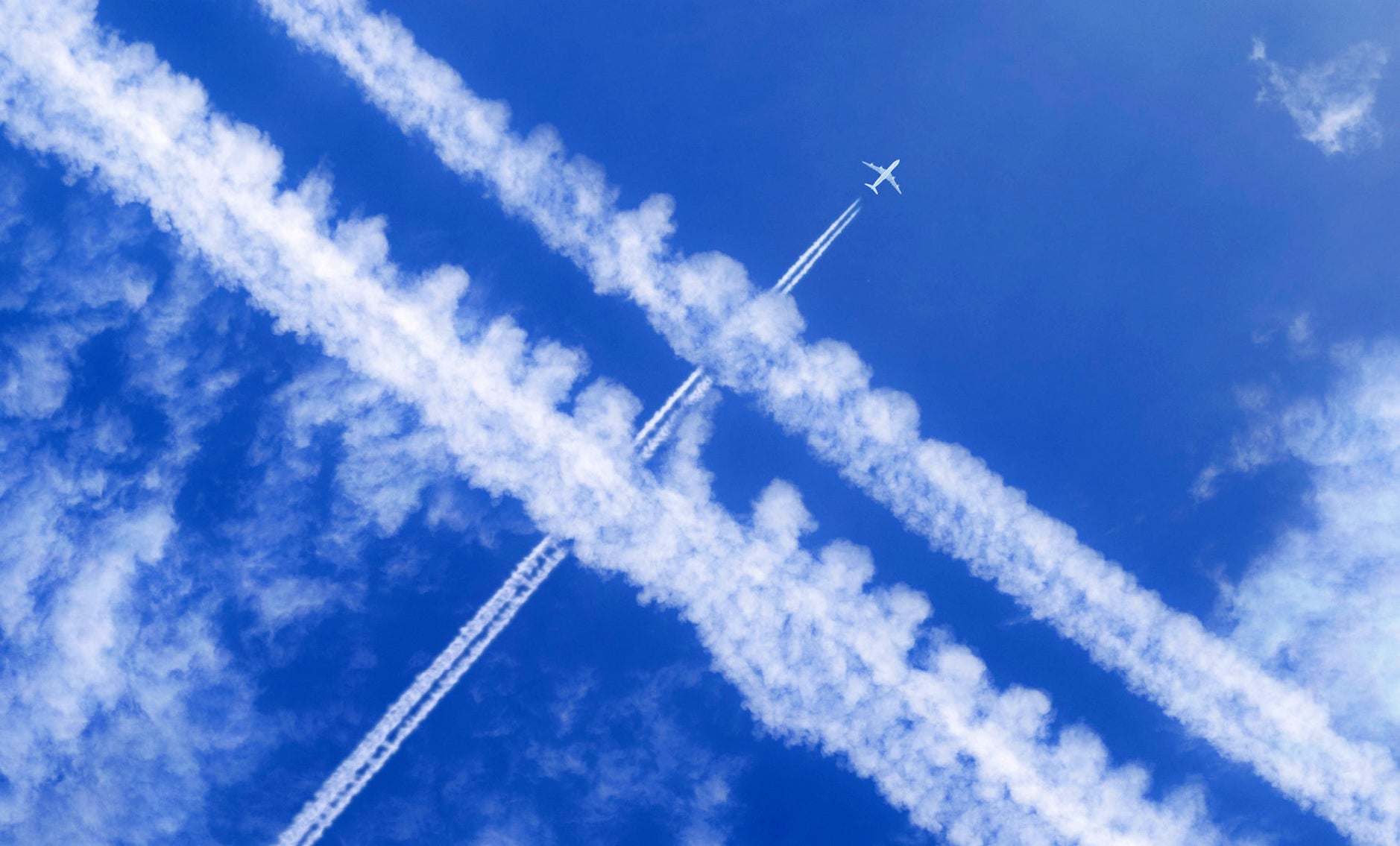
Early trials from these companies indicate that strategic flight adjustments can reduce contrail formation by over 50% with a relatively small increase in fuel consumption – often below 2%.
Adoption of technological solutions such as these will depend on a variety of economic and regulatory factors. Airlines must balance operational efficiency with sustainability initiatives, for instance, while the European Union and other global bodies are exploring policies to encourage contrail management as part of broader decarbonization efforts. Future frameworks may include incentives for airlines that implement contrail mitigation strategies, much like existing carbon credit programs.
Looking ahead: Greater collaboration is essential
Contrails represent a significant but solvable component of aviation’s climate impact. With better predictive models, targeted flight adjustments, and cleaner fuels, substantial progress can be made. However, industry-wide collaboration is essential. Airlines, regulators, and technology providers must work together to refine mitigation strategies and integrate them seamlessly into everyday operations.
In the coming years, as research deepens and solutions become more refined, managing contrails could become a standard component of sustainable aviation practice – helping the industry take a major step toward reducing its environmental footprint while maintaining safe and efficient operations.
For more detailed information on this topic, download our latest study into reducing contrails’ climate impact.