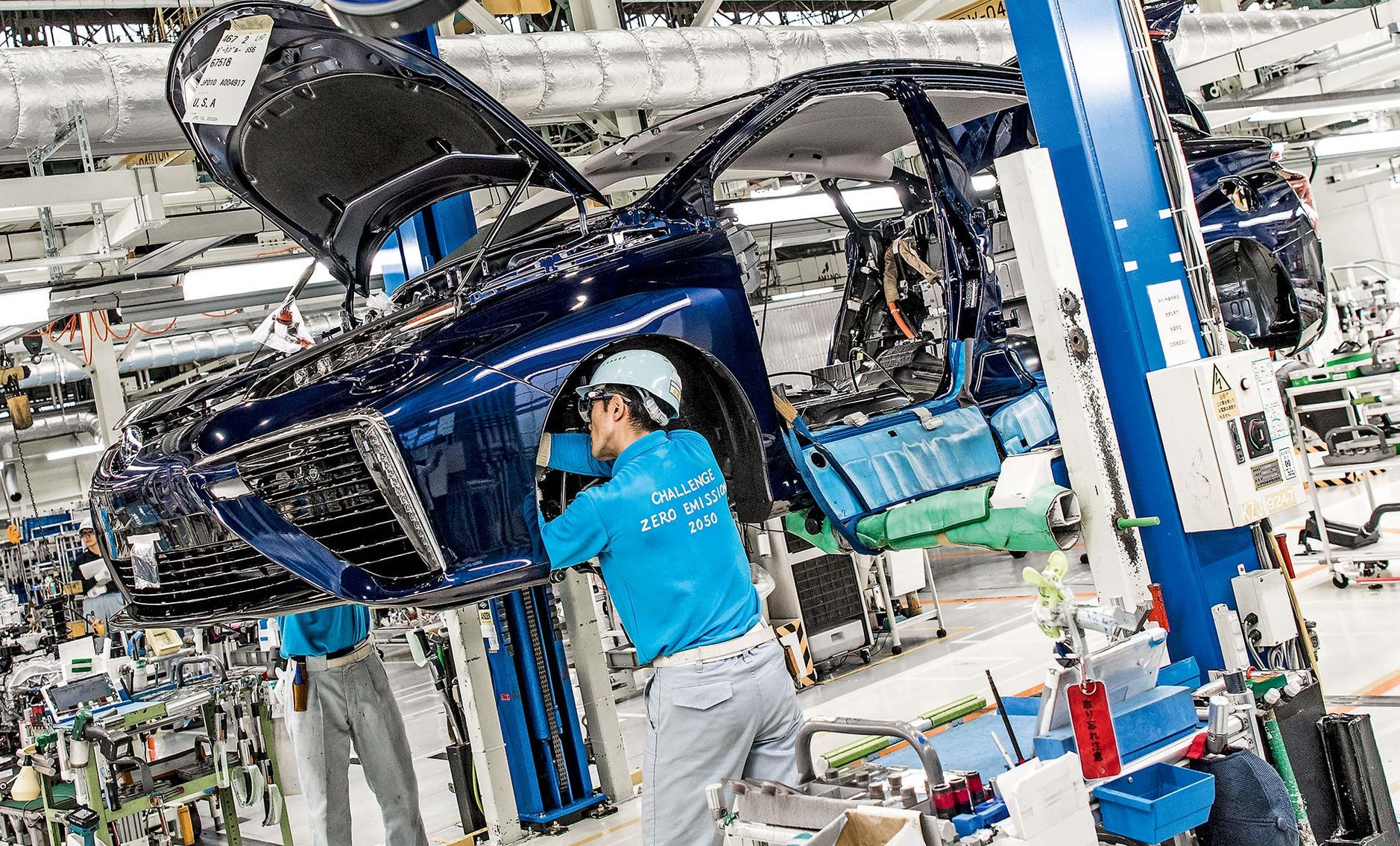
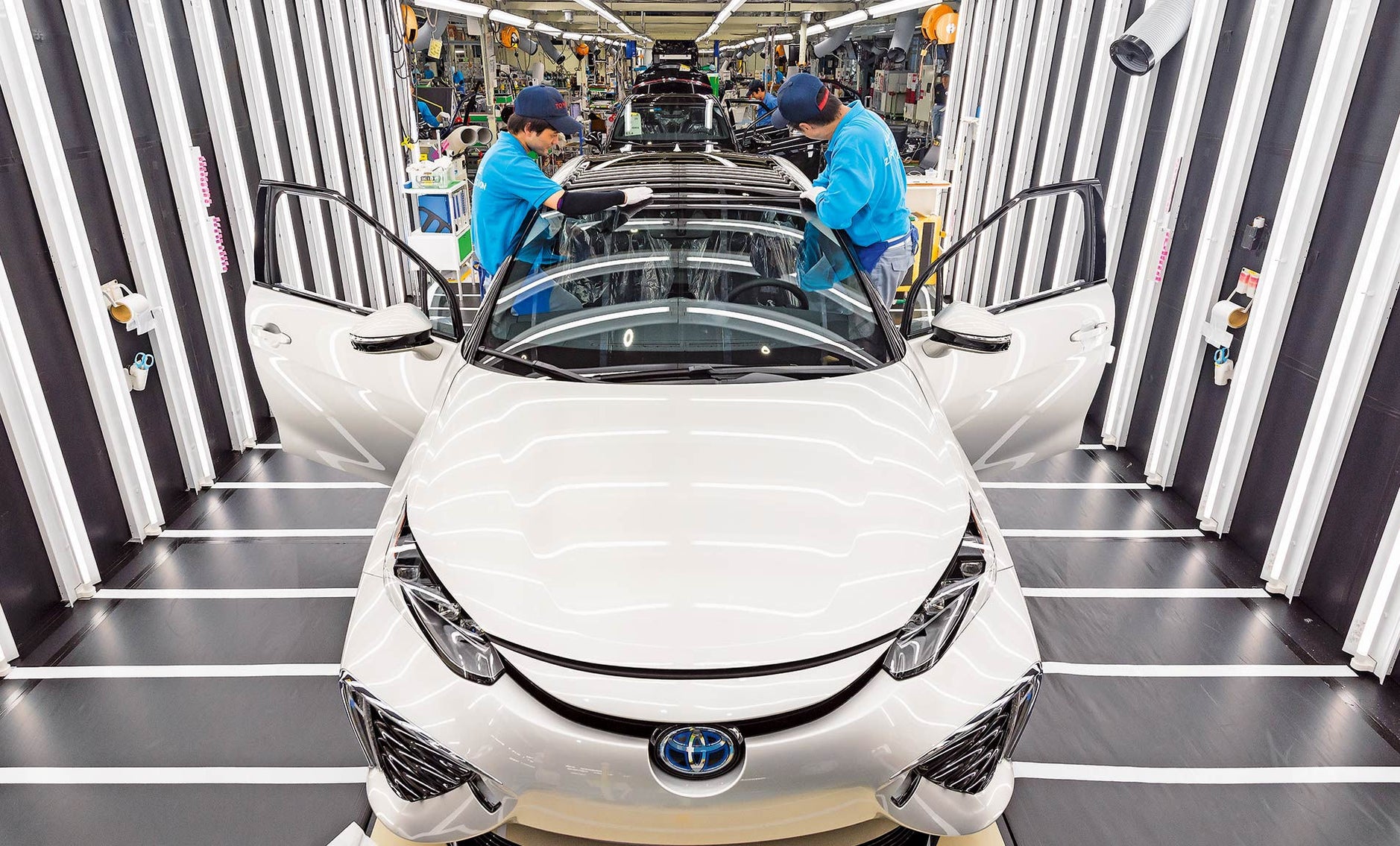
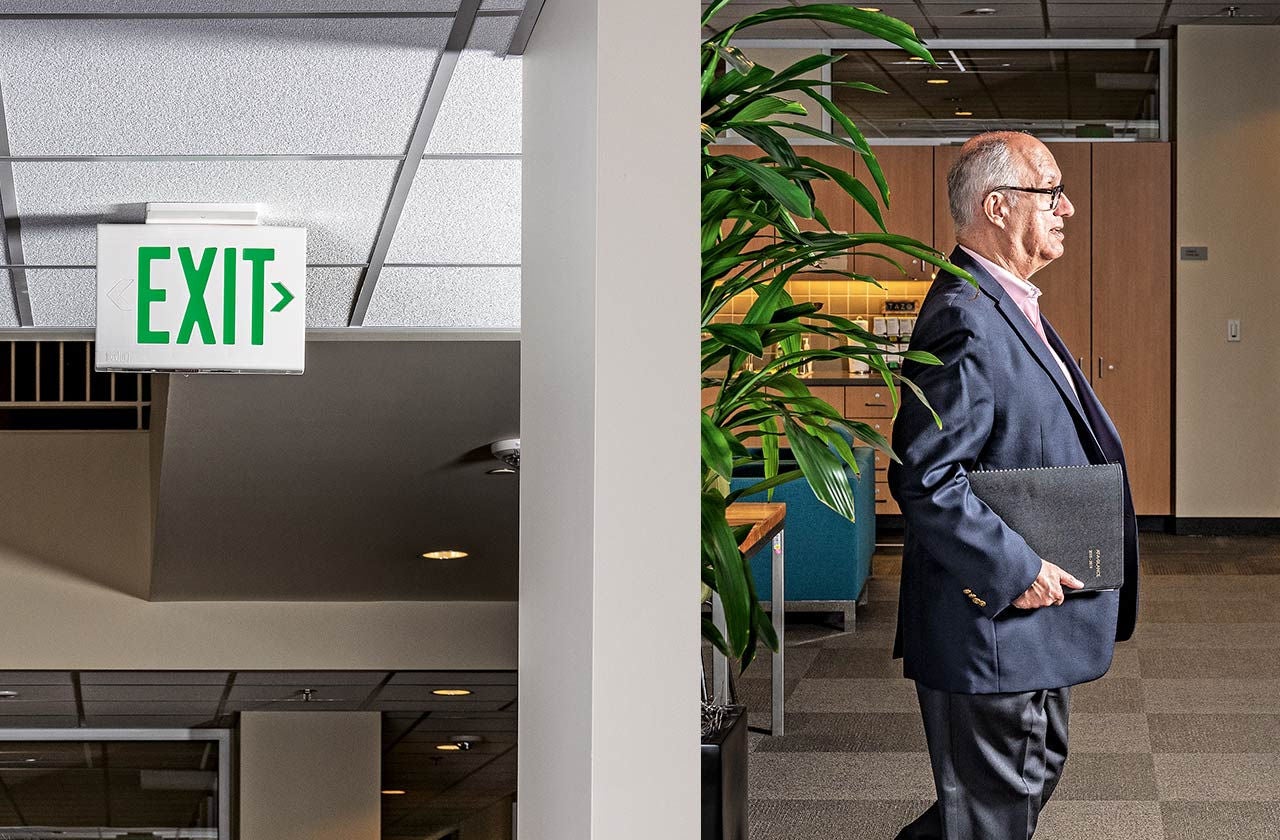
Perhaps with good reason. Toyota had been contending with quality defects, vehicle recalls and falling profits. In 2014, Toyota CEO Akio Toyoda publicly apologized and said his company was "grasping for salvation" after a safety issues dispute in the US. Kawai's appointment in 2015 was a landmark statement of a new beginning and heralded a return to tried-and-trusted methods such as manual labor, continuous quality improvement and cost reductions through the simplification of production processes and they have helped put Toyota on the road for an impressive comeback.
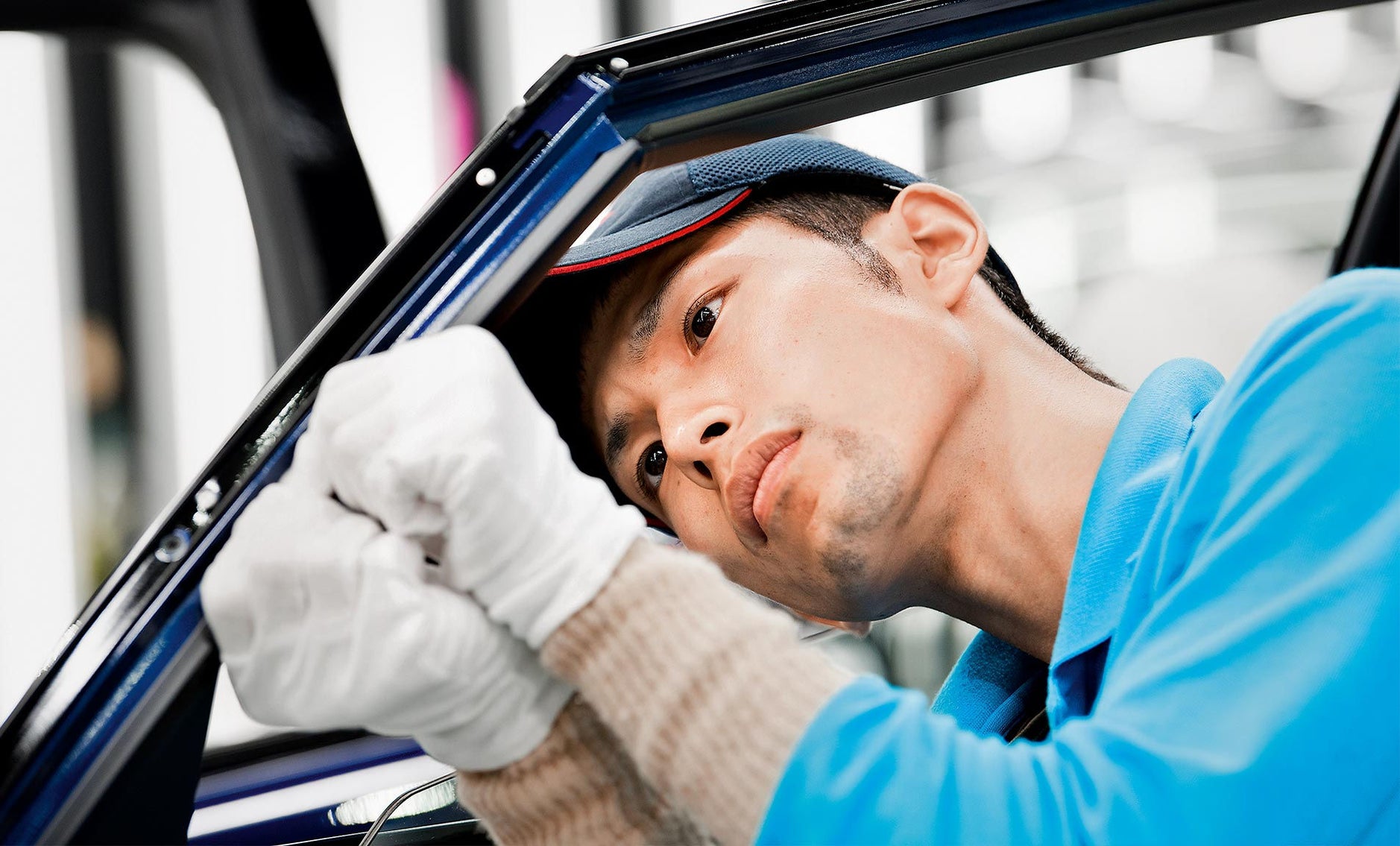
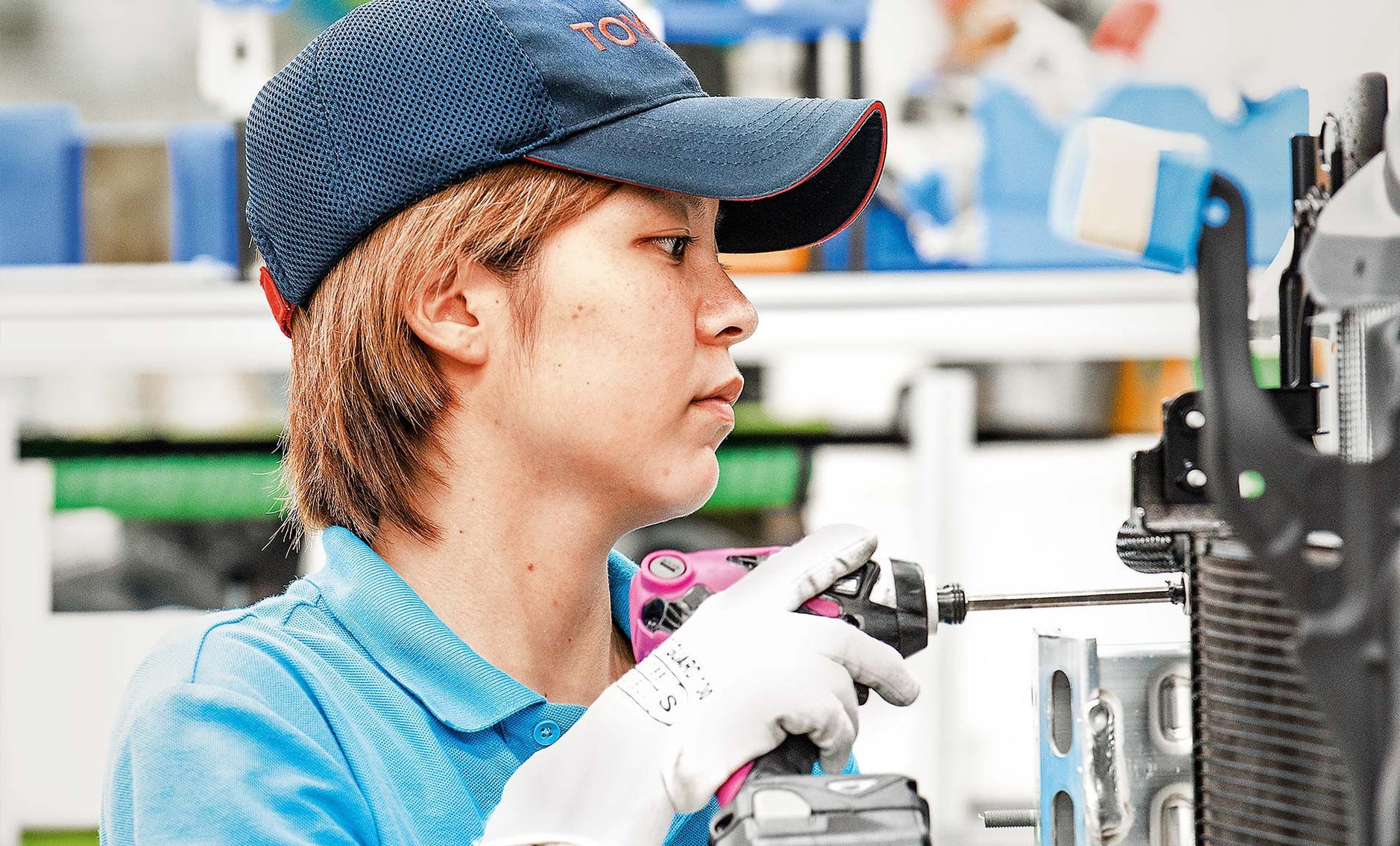
Only those robots that work really well and are cost-effective still have a chance of keeping their jobs at Toyota under Kawai. He explains: After looking at the robots that weld together the base of the Toyota Land Cruiser, he noticed that the welding seam was too wide and had a few defects. "I shut down the entire robot line and I said: 'We'll do it manually again,'" says Kawai. Unlike the robots, human workers could see where a groove to be welded was one millimeter wide and where it was only half a millimeter wide and could then react flexibly. "The use of welding wire alone has decreased by 10%," he says with pride.
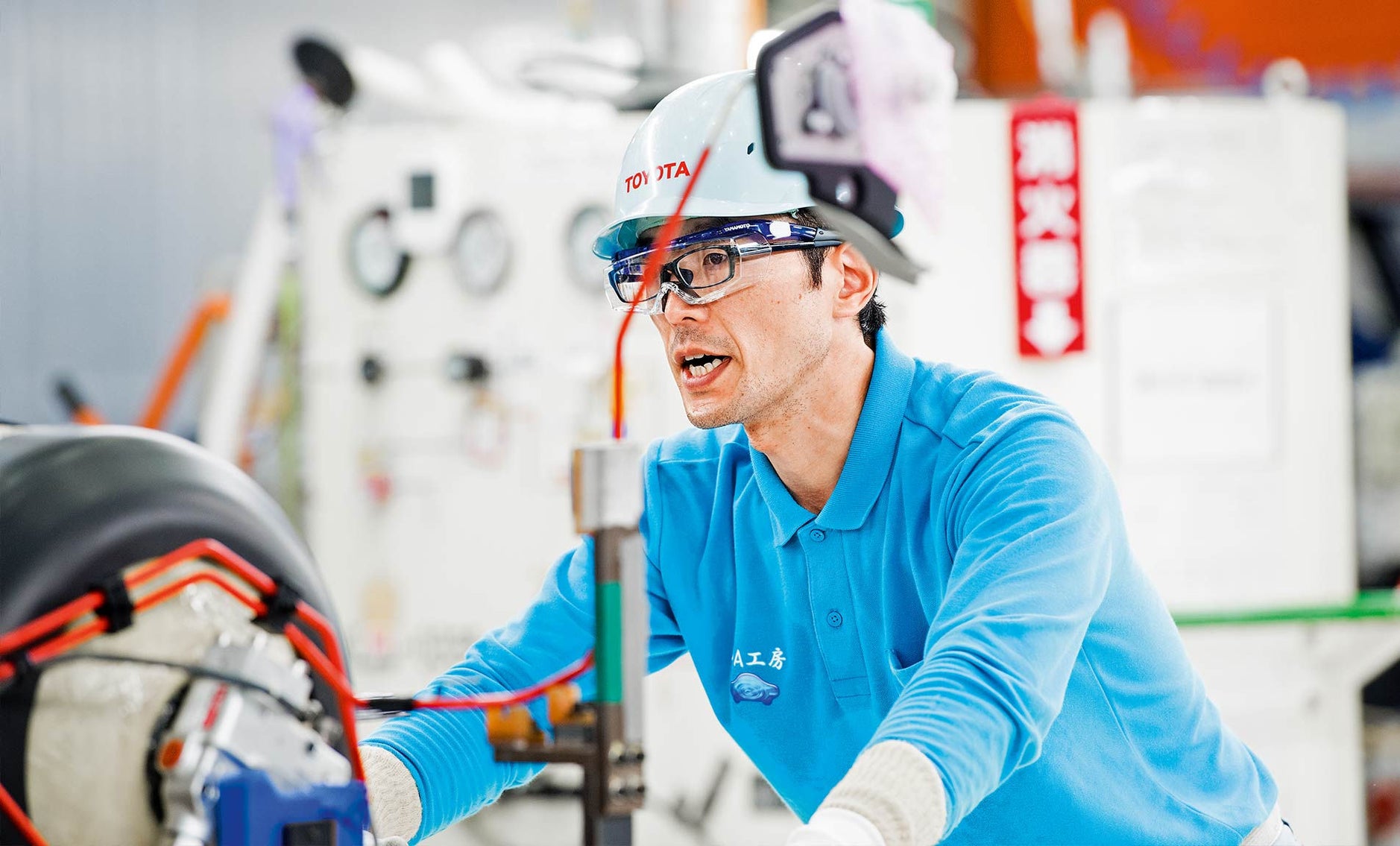
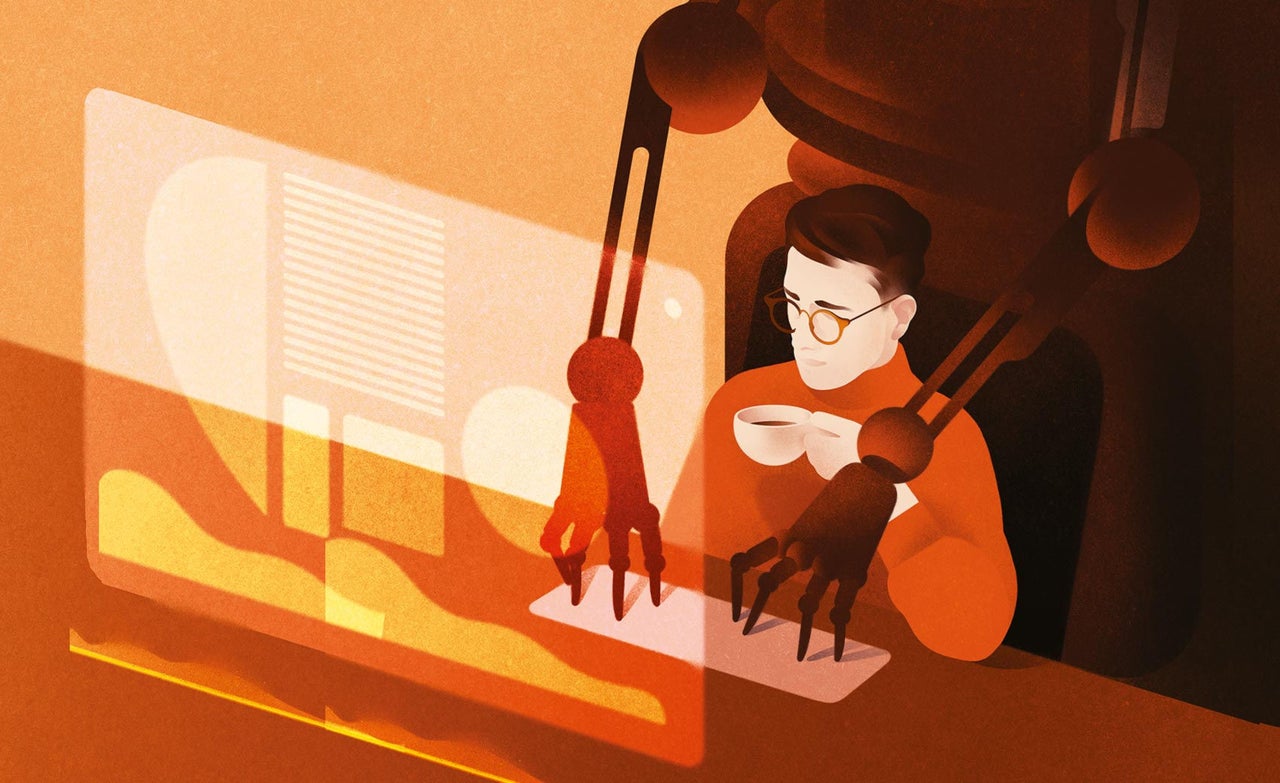
The next step Kawai took was to ask workers to pass on their knowledge to the welding robots. He had them program the automatons themselves. Now the robots are back in operation, but where three employees used to have to re-weld the seams, one employee is now sufficient for quality control. The other two employees were not dismissed, but have been retrained for deployment elsewhere.
Industry observers have taken note. "When it comes to automation," says Hans-Jürgen Classen, a leading expert on corporate management in Japan, "Toyota relies on its own know-how rather than using external engineers and planning companies like other large car manufacturers do. Manual processes are perfected by the employees and only then automated again by the employees themselves." Classen adds that there's a lot of common sense involved. "Anyone can buy robots, but the knowledge of how to use them effectively is best acquired by oneself. Toyota is a global trendsetter in robot use, just as it was with its 'just-in-time' and 'lean production' methods which revolutionized the automotive industry."