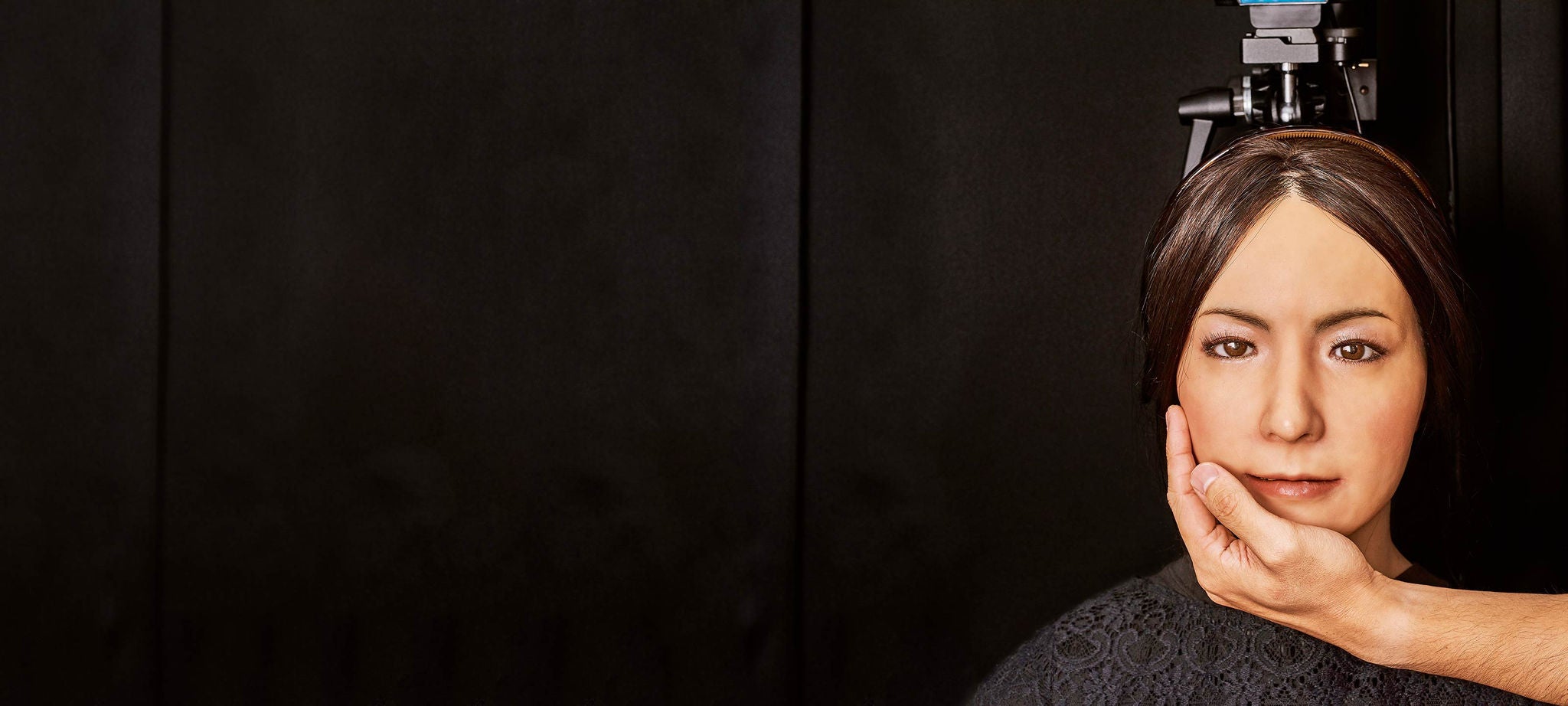
In human-AI interaction, there is a threshold at which a person will stop talking to a computer and start responding as if to a fellow being. Dylan Glas, a senior robotics software architect at Futurewei Technologies in Silicon Valley, observed this when he was working on one of the most advanced bots on the planet: Erica. Created in 2014 by Japanese researchers, the Erato Intelligent Conversational Android (Erica) is the world's first autonomous robot – that is, she can carry on a conversation that has not been scripted, much like a human. The trigger that makes people interact with Erica as if she were conscious, says Glas, is the moment she does something that makes them feel like she perceives or understands them. "Sometimes this happens if they ask something obscure and Erica responds appropriately, or if they interrupt her while she is talking and she immediately stops talking and responds to them," he says.
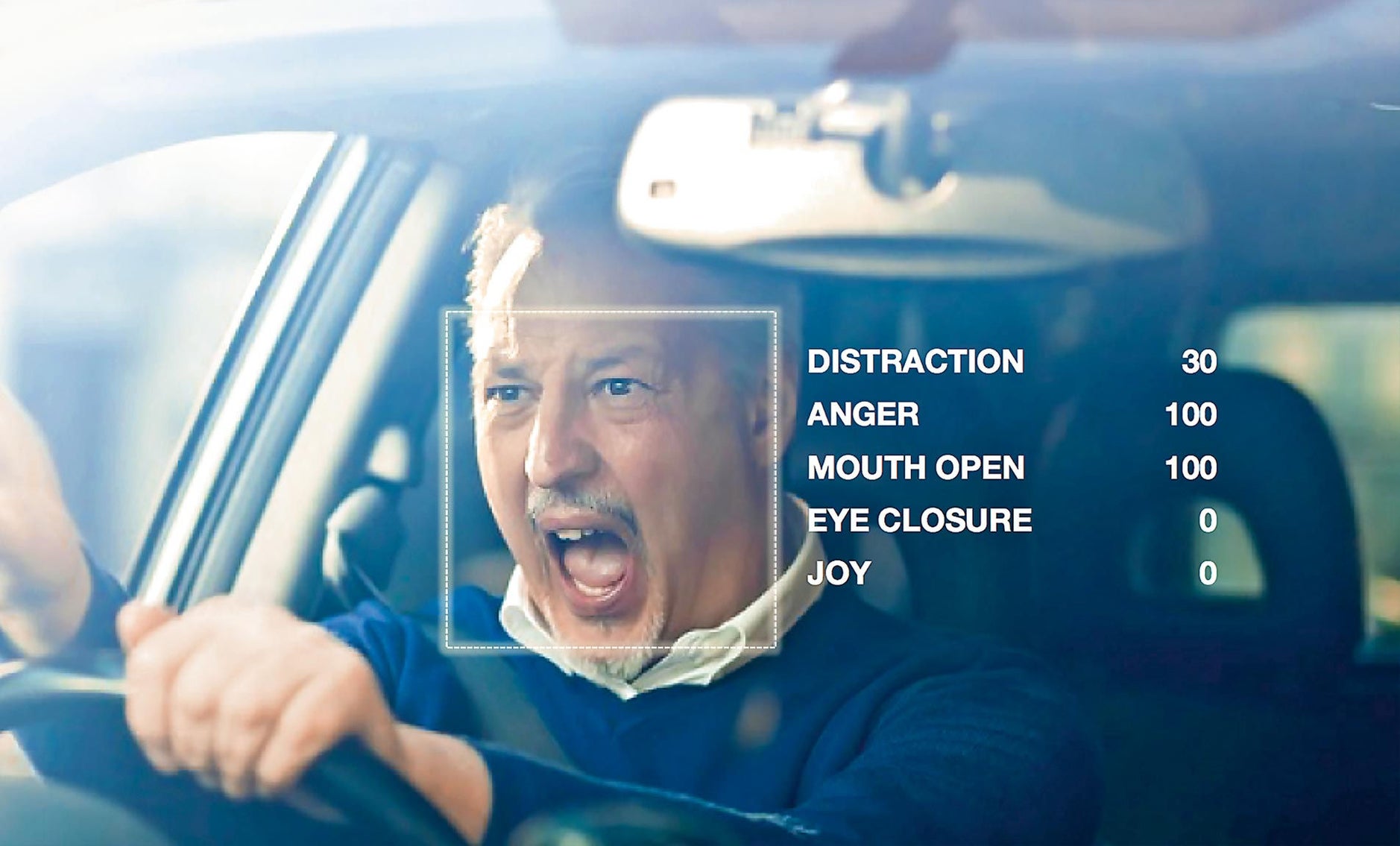
Working to make a robot as much like a person as possible has allowed Glas to consider what it is that is unique to humans. Though companies such as Affectiva have made advances in emotion recognition, humans are capable of a array of complex emotional states. For instance, there is a gulf of feelings between anger and jealousy, but also some overlap, and there is a long way to go before AI is capable of distinguishing between nuanced states.
Perhaps the largest barrier to creating a truly humanlike bot is the problem of imparting empathy. "Detecting emotion is only the first step," Glas says. "In order to really achieve 'empathy' the robot needs to understand why those feelings are there and this can vary according to cultural norms." True empathy, he adds, requires the robot to put itself in the human's shoes, to understand social context and to have "commonsense" background knowledge. "On this level it becomes less of a computer vision problem and more a problem of dialogue understanding and theory of mind."
Even if bots will one day be able to seamlessly replicate human emotion and capture nuance, it does not mean that we will mistake them for human. Our ability to spot artifice is strong. What might be possible is for us to suspend disbelief. Glas thinks of it like talking with somebody from a different culture: If someone speaks a different language and has different customs it can be difficult to communicate. "But eventually, as you get to understand and accept each others' cultures, it becomes possible to forget sometimes that you have a different background," he says. "I believe the same thing will happen with robots in the future. Maybe you won't actually forget that it's a robot, but it will become a non-issue."