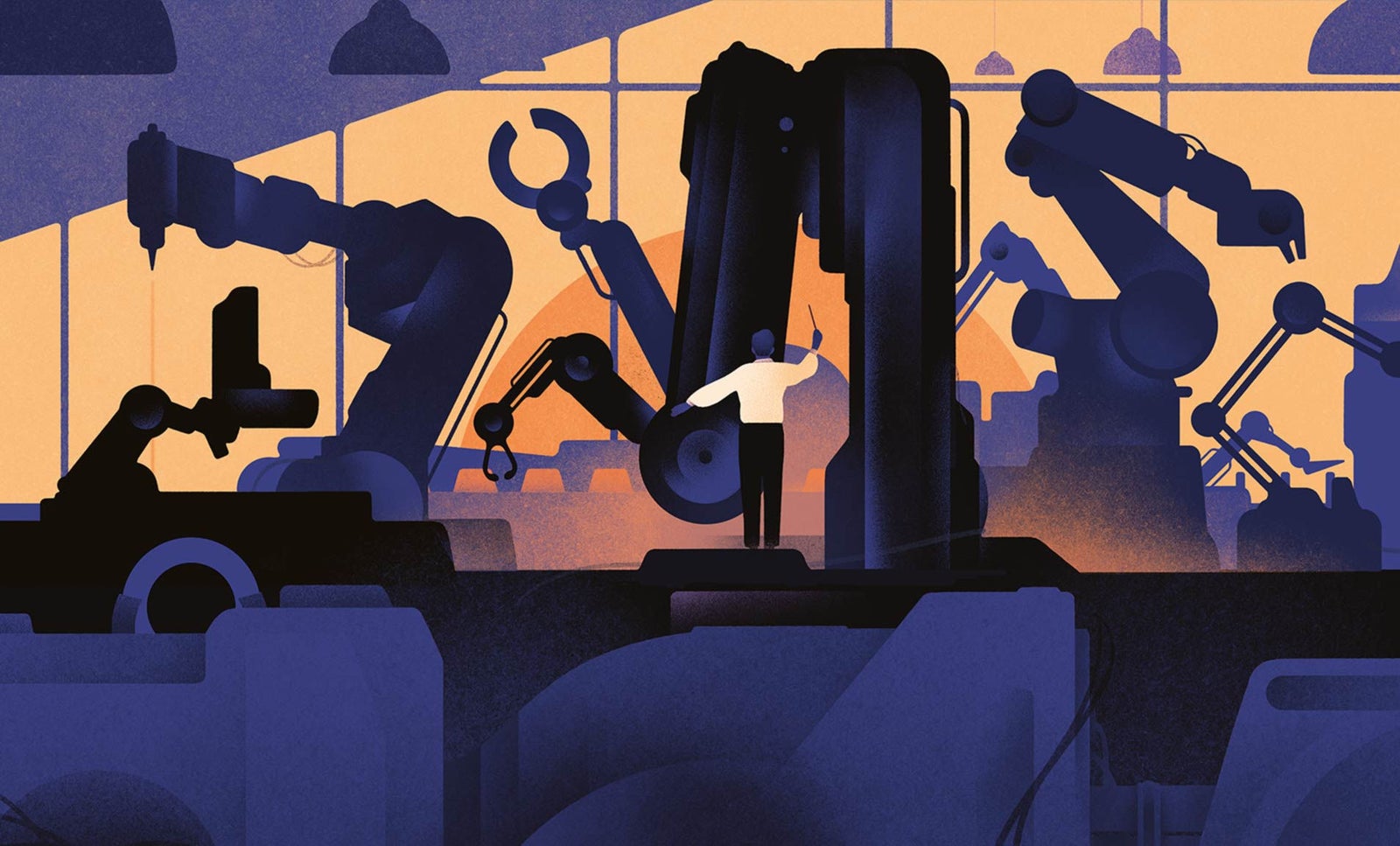
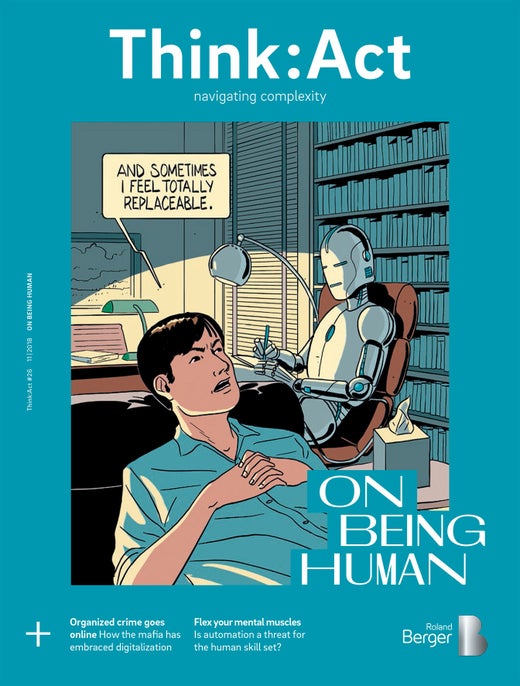
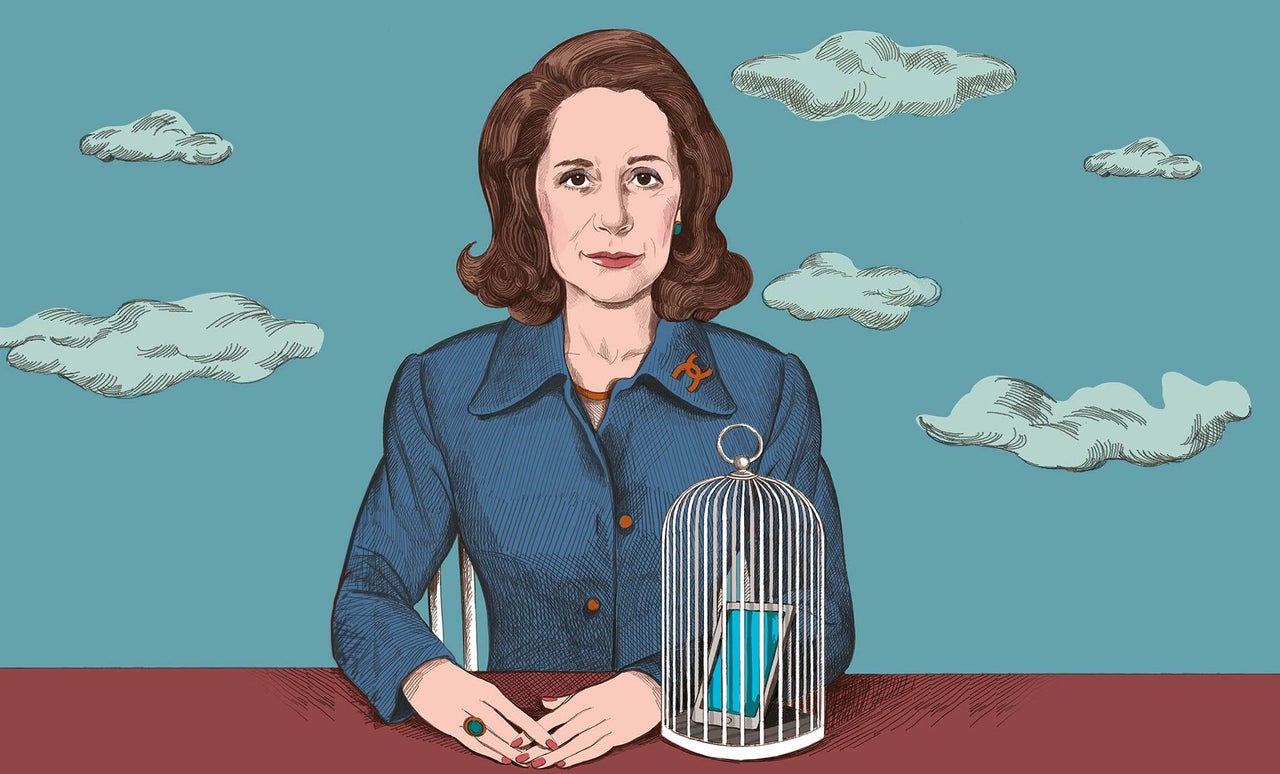
Associate Professor of Engineering Psychology at West Point Military Academy Ericka Rovira has spent her career pondering how to design automated systems that work the way humans expect them to work and prevent those humans from losing the skills they worked so hard to attain. "Automation," she points out, "doesn't naturally result in skill degradation. It often just changes the nature of the task." And the right user interface, or UI, can go a long way in keeping those mental muscles toned. Rovira suggests we could design systems that clearly display a machine's limitations based on comfort levels. "In uncertain environments, the interface changes based on your trust in a machine. If I tend to overtrust, the UI is more adamant about the things it isn't sure of. If I'm less trusting, on the other hand, the interface can tell me clearly: I am 98% sure I know the answer."
It's much ado about nothing according to Melonee Wise, founder and CEO of service robot company Fetch Robotics. She thinks that de-skilling is a common transitional phenomenon and won't make humans incompetent or obsolete. "Humans are creative, empathetic and innovative – all skills that will be necessary for a long time to come. Rote processes are those most likely to fall by the wayside, particularly in industries that are having problems finding workers," Wise says. Her point is widely shared by automation experts. Many higher-level human capabilities and skills cannot be replaced by machines or algorithms in the foreseeable future, for instance, in very interpersonal professions like healthcare and education.
This optimistic outlook is also based on the assumption that humans change the way they build and exercise their mental muscles. That's why American education expert Heather McGowan wants to shift the debate from lamenting skill degradation to refocusing on uniquely human values, those things that are hardest to automate. She sees the world at a "liminal space between the third and the fourth industrial revolution," with plenty of disruption and change ahead for tens of millions of workers and professionals. "Yet we are certainly not preparing for this new order," she warns. "We try to push humans to do what machines do better." Instead of codifying and transferring a predetermined set of skills and knowledge through traditional schooling, McGowan says, society should focus on setting up the conditions for faster human adaptation: how we learn, not what we learn. "If job skills are like applications on your phone which you add and delete as needed, then the agile learning mindset is the underlying operating system that allows the applications or skills to run."