Disrupting the mafia's business model
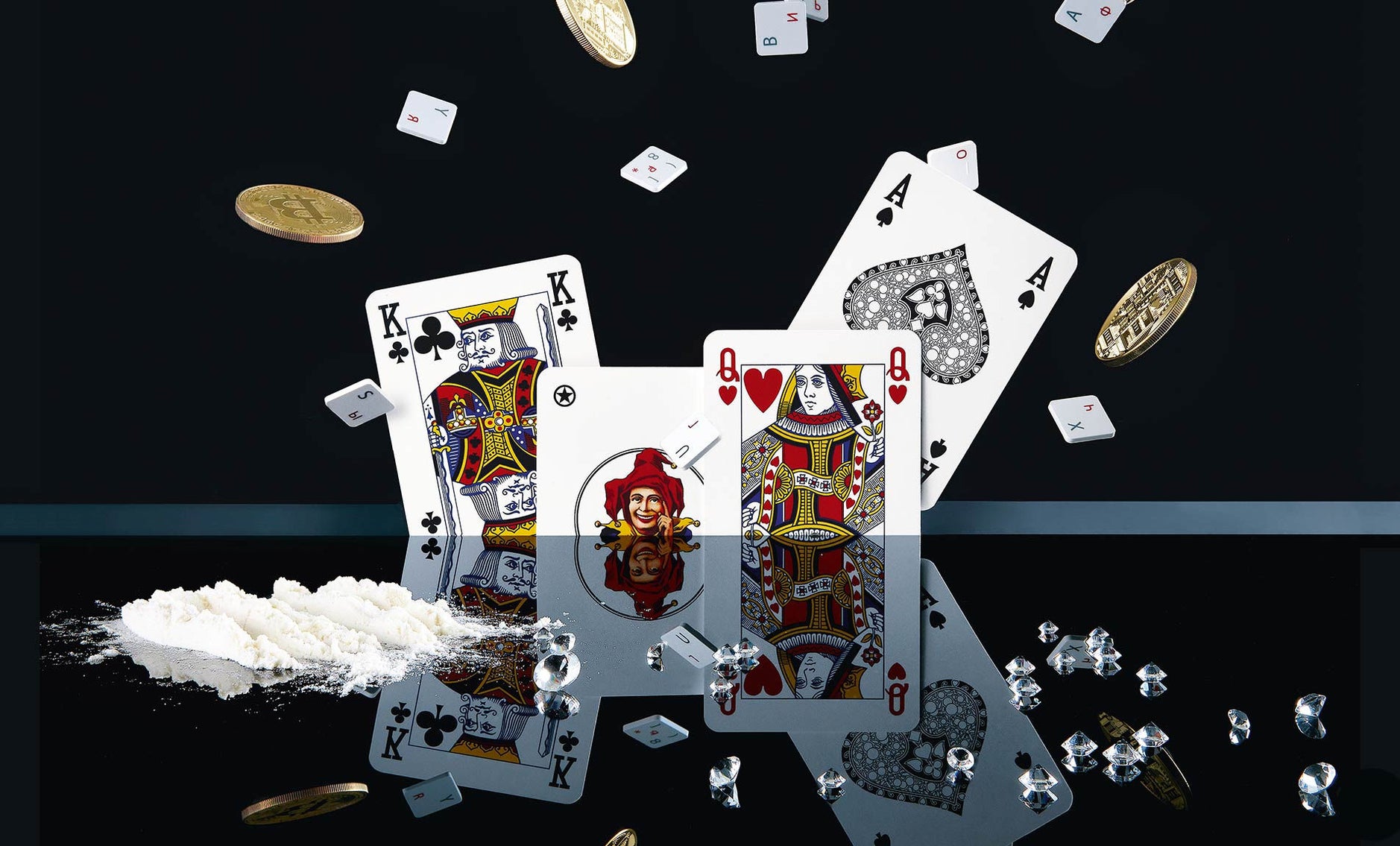
Almost every traditional criminal market is now being influenced by the disruptive capacity of the internet. The drug trade is moving from the streets and onto the darknet. The statistics show something else, as well: Europe's and America's drug consumers are moving away from organic products originating in Bolivia or Afghanistan and increasingly enjoy synthetic drugs, manufactured not in the developing world, but in Holland, Canada, Bulgaria or Israel. That shift in production puts an immense additional strain on law enforcement agencies. There are many reasons why the legalization of certain drugs is a live political issue. The fact that the police are finding it hard to cope with the volume of drugs now circulating in Europe is not often articulated but it is very important. In one respect, we should welcome the shift in criminal behavior away from activity based on violent coercion. But as we grow ever more critically dependent on networked systems, the consequences of the potential threat from cybercrime and other forms of digital malfeasance grow exponentially.
In October 2016, an unknown group of criminals launched a massive DDoS assault on the servers of Dyn, an American company which is vital for the smooth functioning of the internet. The attack led to large parts of the internet on the American East Coast going down for several hours. Three things were special about this attack. It was some 40 times more powerful than any previous DDoS attack ever recorded. Secondly, the original code written by a student at Rutgers University who mistakenly released it "into the wild" had been carefully rewritten to increase its power and targeting ability. And thirdly, it derived its immense power by taking control of millions of devices around the world linked to the so-called internet of things. The obsession with growth on the internet has left security far behind. Without a fundamental shift in thinking as to how one protects networked systems, we run immense social and economic risks.