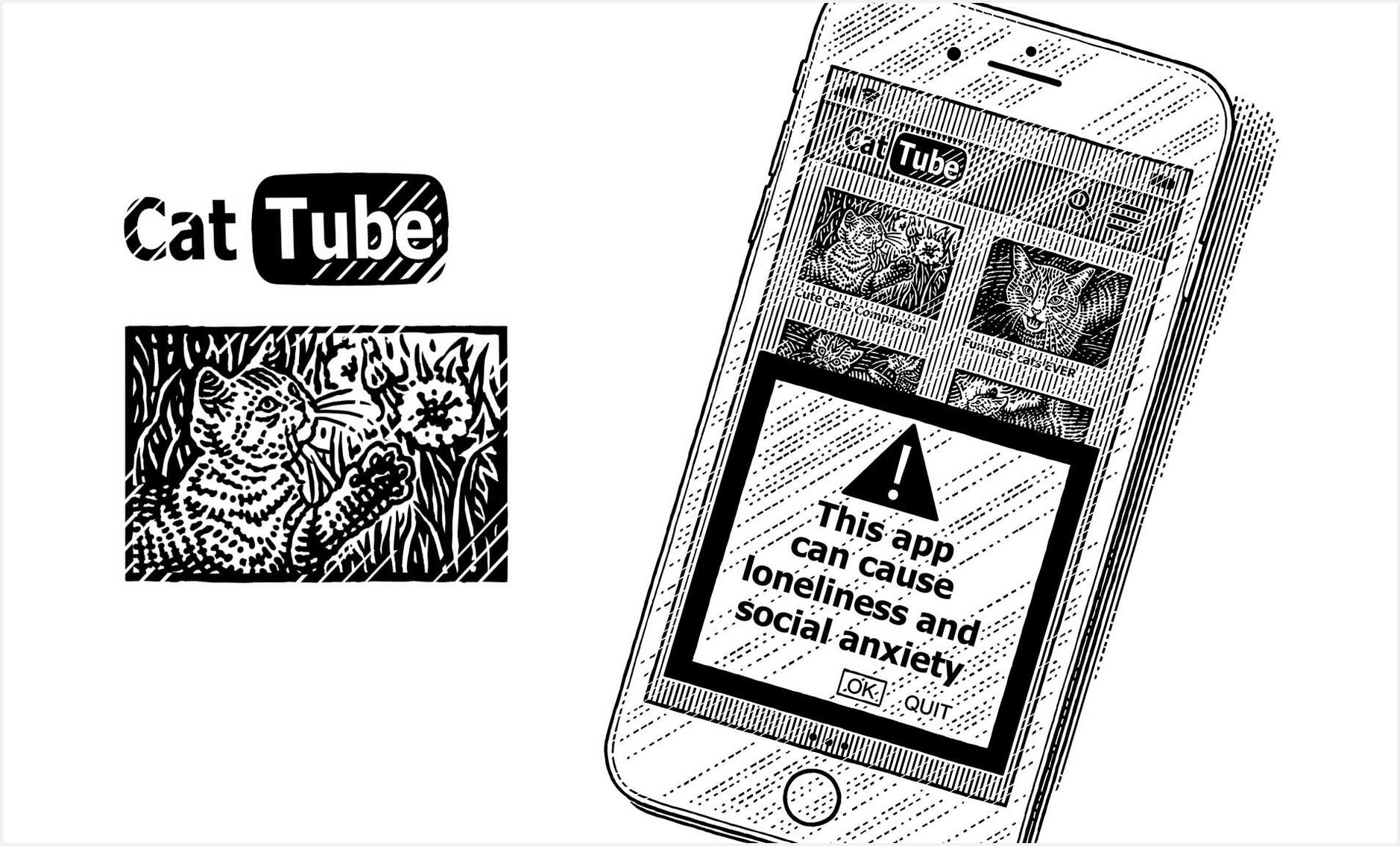
Moving beyond changes in individual behavior sparked by the backlash against tech, experts see a number of ways that a new relationship between us and our devices can be forged. For some, like Zuckerman and Cukier, the answer lies in changes from within the sector itself. Others see regulation as the way ahead. Bartlett and Hilton, for example. Zuckerman says that "rather than say 'let's all get offline,' we need to look at other paradigms." He is particularly interested in "value-oriented design" – essentially thinking about the various opportunities, bad as well as good, that a particular innovation might be able to deliver before you develop it, not afterwards.
That is one reason why Zuckerman chose to teach at MIT, where his courses cover issues such as tech and social change. His goal is to teach values to students early on in their careers and he acknowledges that the debate needs to move beyond lecture halls. Those people who are excited by the opportunities of tech are, he says, often those in the automating business. To address this there needs to be a bigger public conversation, but he fears that the US has lost the ability to have such a conversation. It also lacks the appetite for the type of redistribution that can be found in Europe.
The European Union is emerging as one of the major tempering forces of Big Tech – whether through privacy initiatives such as GDPR or fines and direct challenges to the vertically integrated business models of the behemoths of the sector. "They are channeling the fears of citizens," says Bartlett. The effects of the neo-Luddite backlash are starting to be felt in government regulation. This is "wise," he adds, because if people feel that there is no way of regulating or tempering the harsher effects of technological change, they will be inclined to turn on it.
Hilton wants to go further, more grassroots. At one level he would like to see smartphone use by children restricted by law. But he also believes that changing attitudes and social norms will be critical towards reassessing our relationships with devices which he claims are "destructive of your humanity." He cites how changing attitudes towards smoking and plastic bags combined with regulation led to real, beneficial changes in behavior. He imagines initiatives being adopted first at regional or state level and then expanded elsewhere.