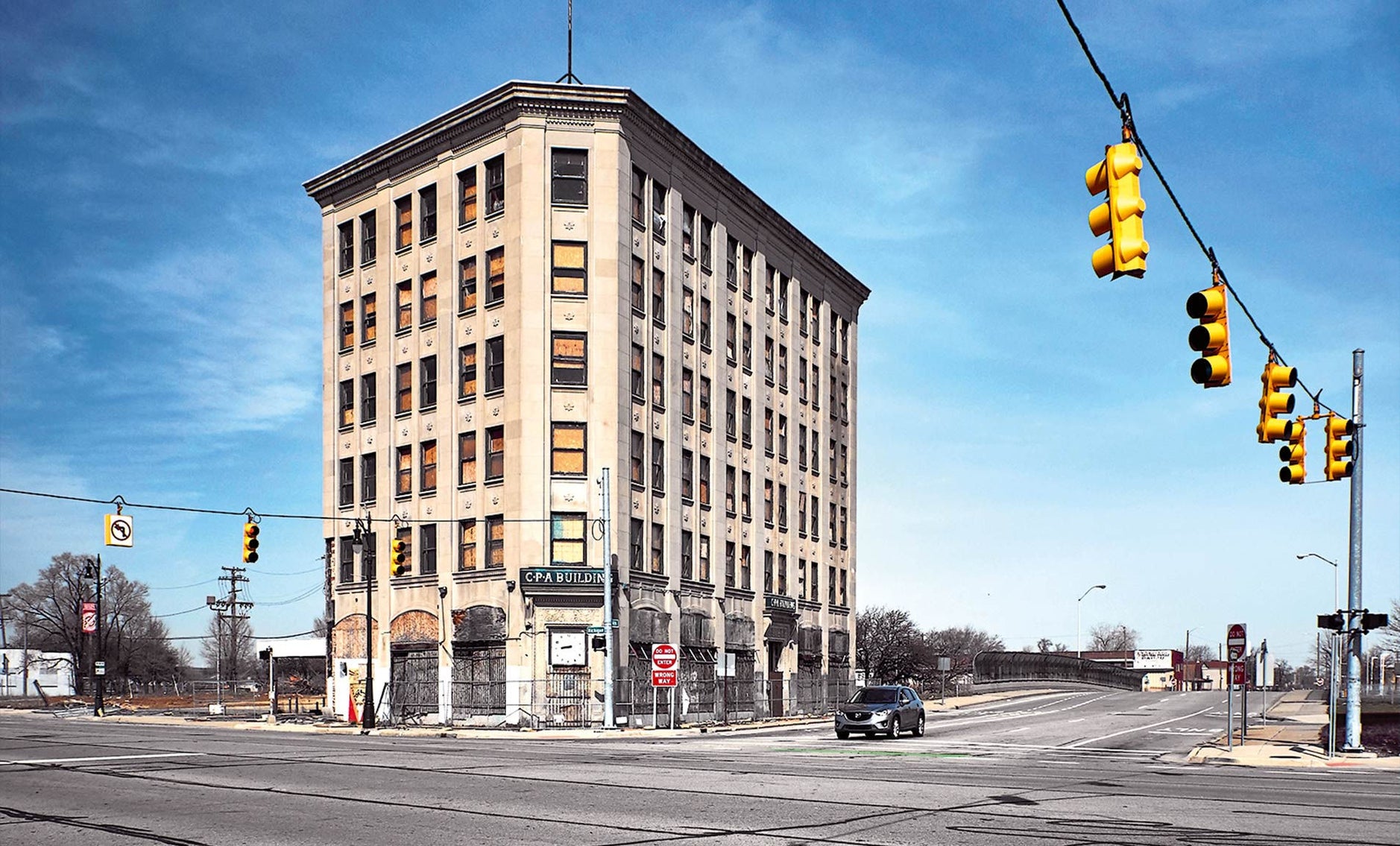
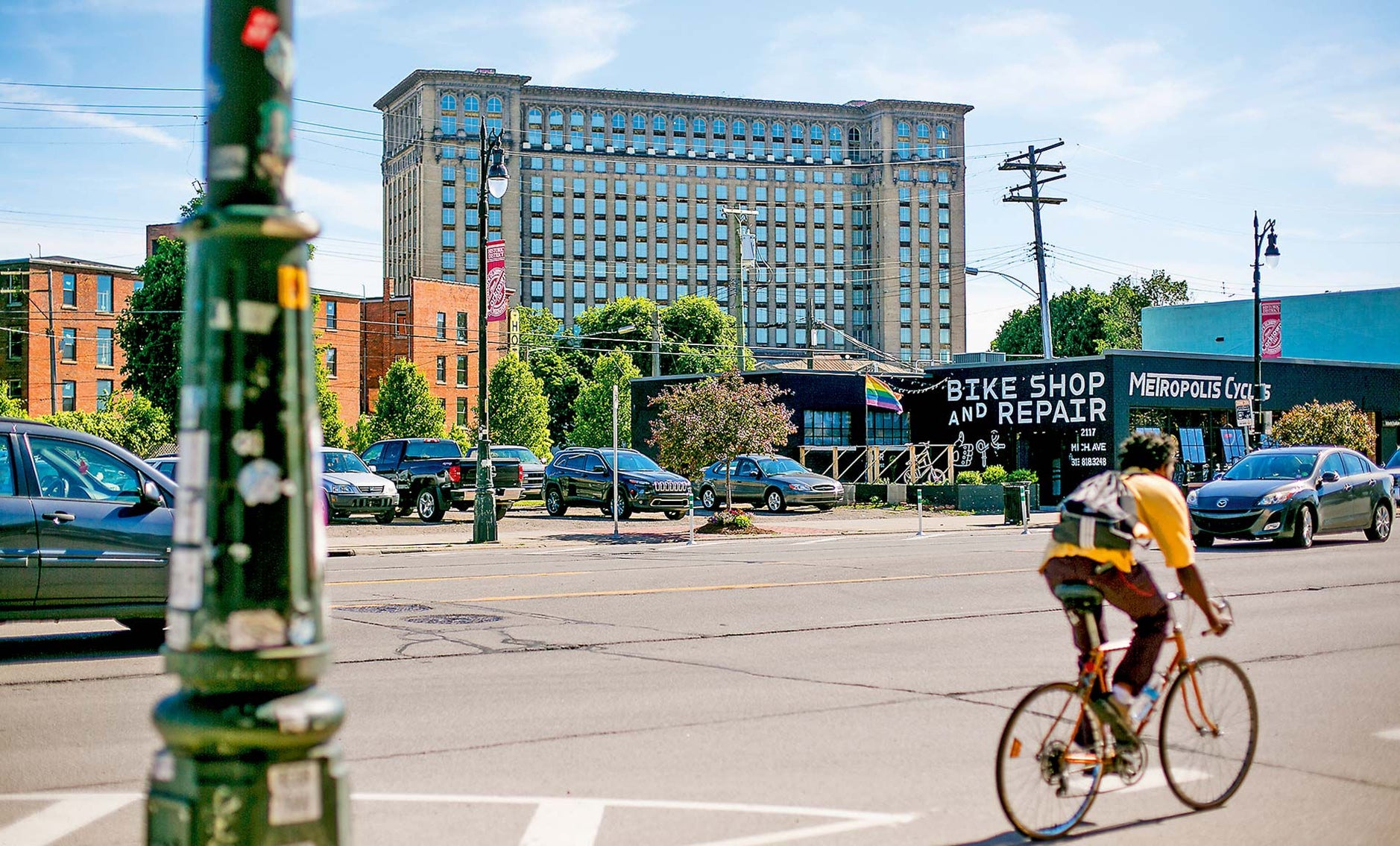
Internet of things technology is also being used to deliver better service for less money. Miovision, an Ontario, Canada startup, has installed monitors at many of the city's traffic lights, making maintenance much simpler. In the bad old days, when a light went out, it t-ended to stay out. "There was no way for the city to know what was happening," says Lynda Chau, chief marketing officer of Miovision. "Unless you had a concerned citizen who called in, the city would have no way of knowing that part of their traffic network wasn't working." Now, city workers know in advance when a repair needs to be made. And that's only the beginning. Miovision is now using the city as a test bed for what it calls the "World's Smartest Intersection," a package of new technologies that features such innovations as traffic lights that stay yellow a little longer when they sense a cyclist crossing.
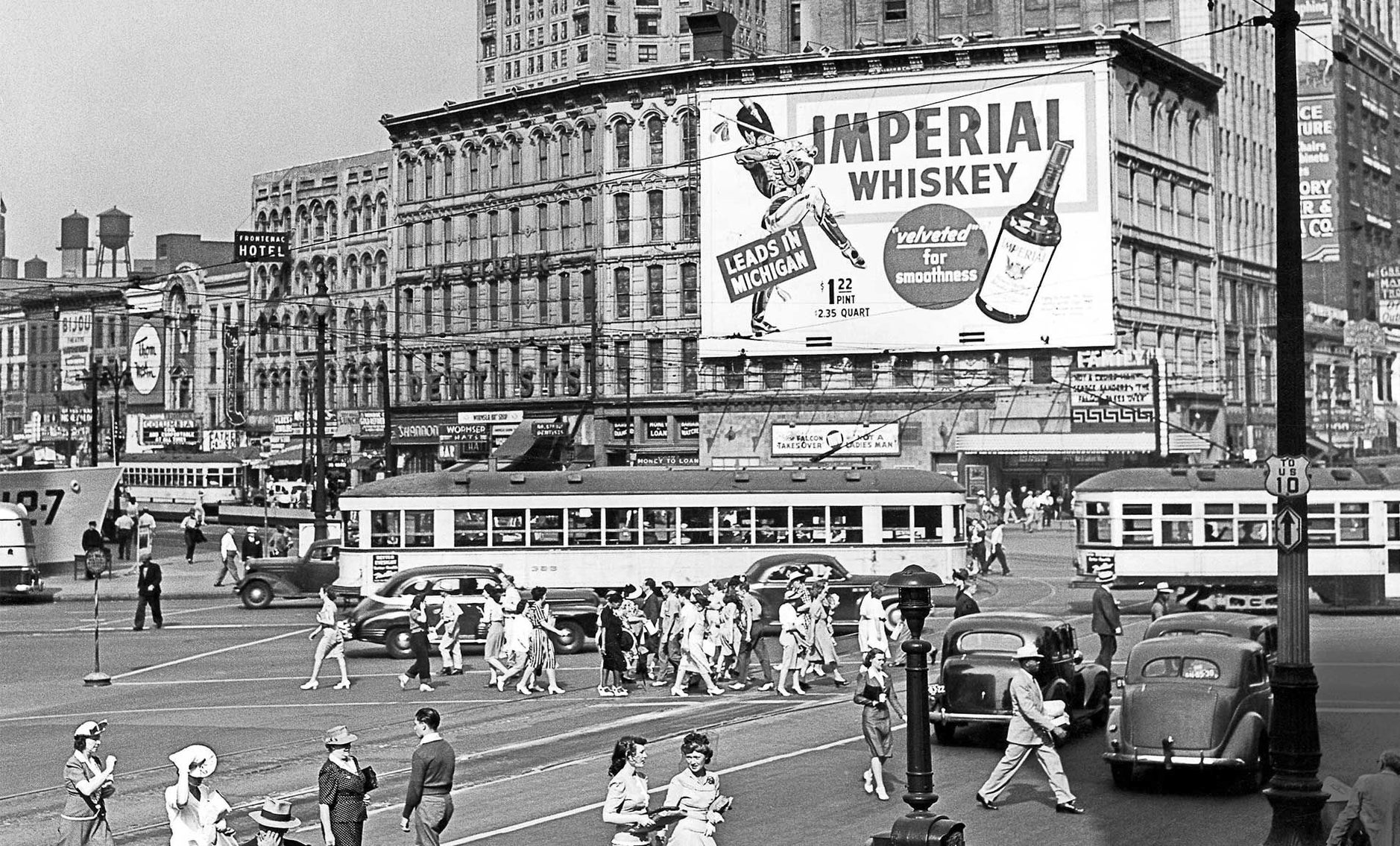
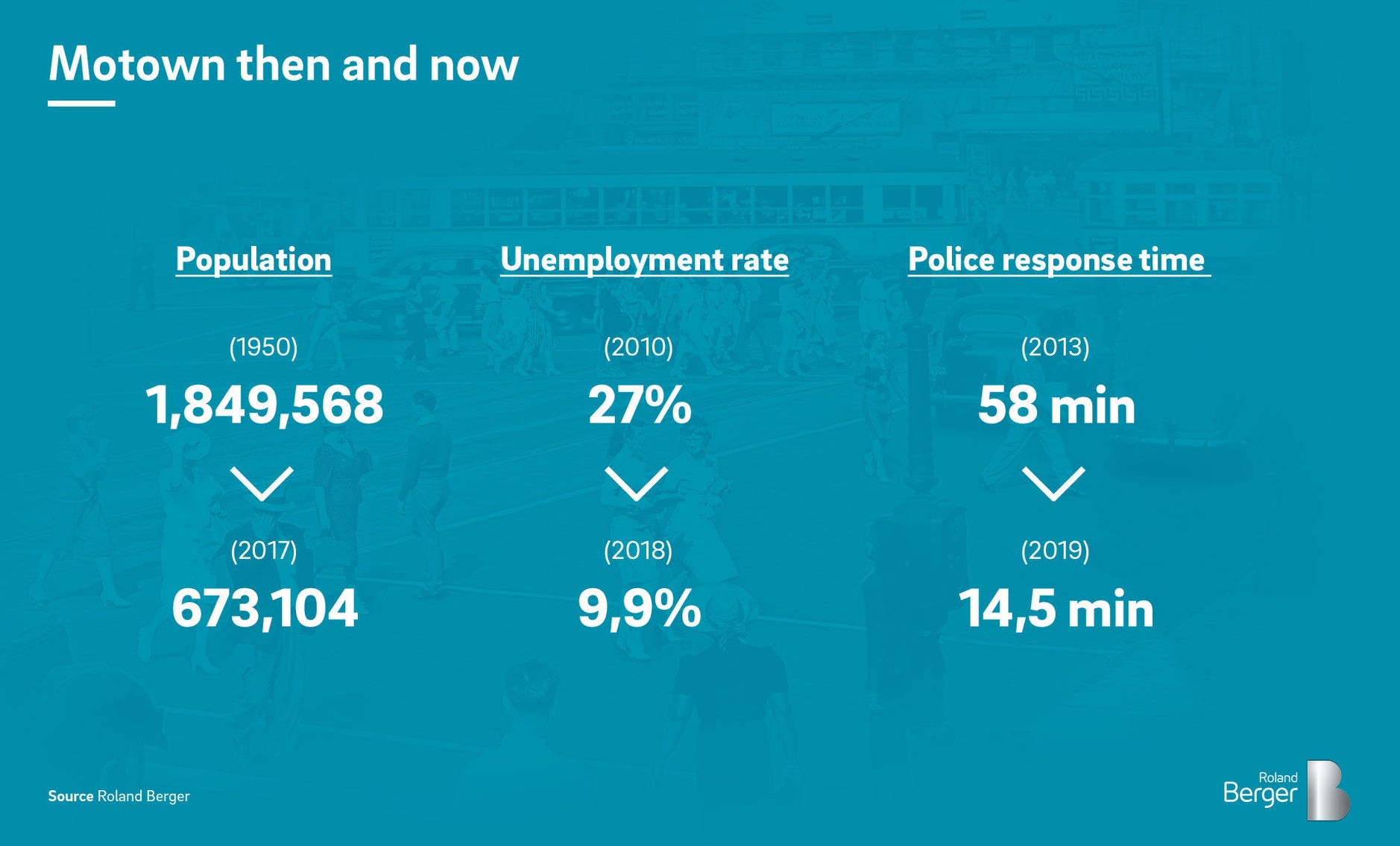
Of course, large-scale commercial real estate investing has also played a major role in the city's revival. The exodus of manufacturers from downtown Detroit was a key reason for the city's decline in the 1950s and 1960s. As business left, the tax base shrank, and many people – particularly white people – followed. Some parts of the city became near ghost towns.
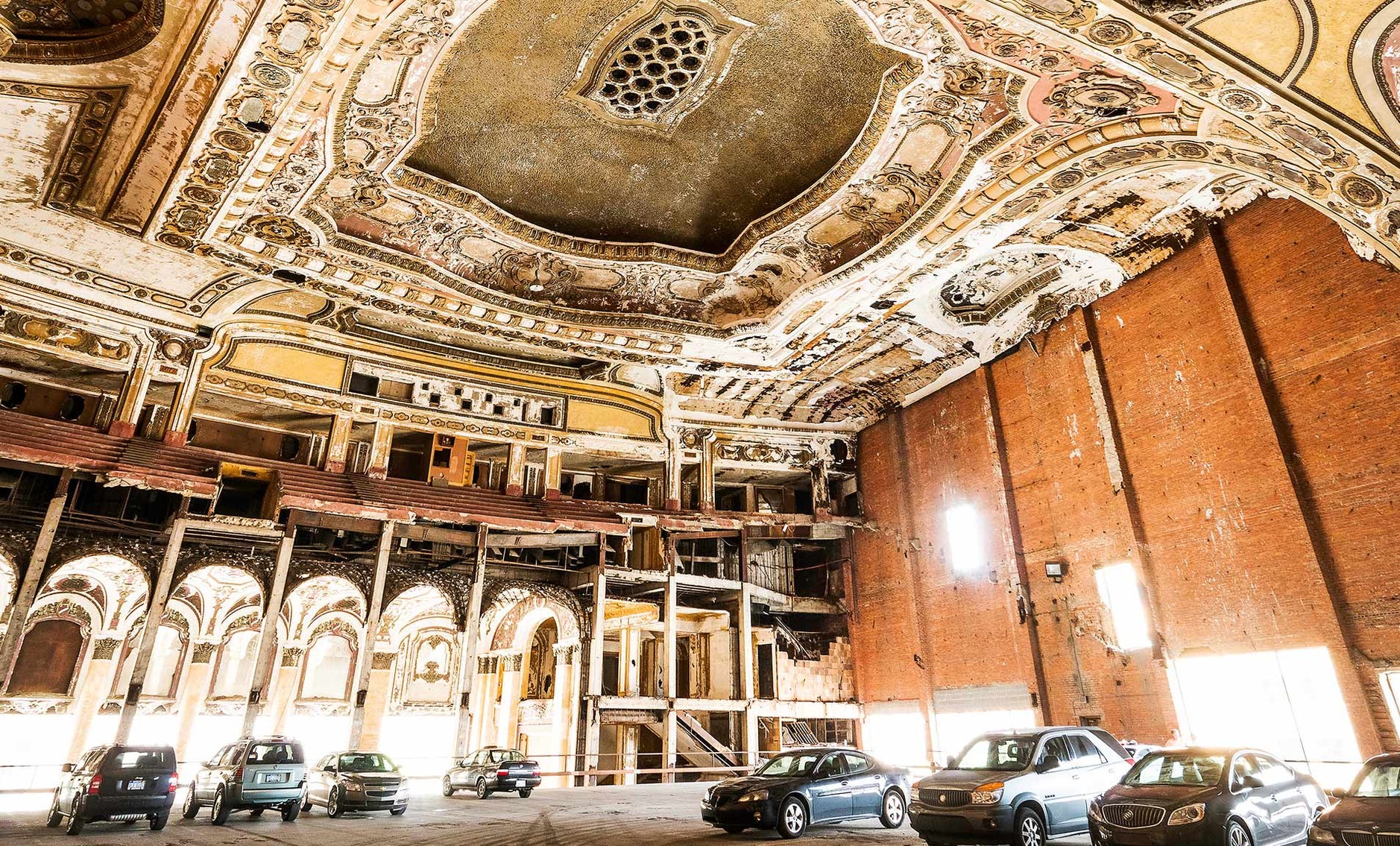
Particularly important was local entrepreneur Dan Gilbert's 2010 decision to move his company, Quicken Loans from the suburbs and into downtown. "Once [Gilbert] moved his employees down there, he started gobbling up real estate – vacant office buildings, vacant apartment buildings – for pennies on the dollar. A lot of these buildings are 100-year-old, historic, beautiful buildings; they'd just been neglected," West recalls. Today, the mortgage mogul's real estate firm, Bedrock Detroit, owns over 15 million square feet of apartment and office space in Detroit and Quicken now employs over 17,000 people in the city.