Polarized: The age of globalization is over, as regional markets drift further and further apart
Different regions are set to develop in different directions over the next decade and a half. A number of factors lie behind this divergence, from unforeseen – and often unforeseeable – geopolitical developments to disparate customer preferences. For example, China is changing from being the growth engine for European OEMs to being a largely fully electric vehicle market dominated by domestic players, while most of North America will remain an internal combustion engine (ICE) market for many years to come. As different regions diverge and develop at their own pace, the automotive industry will become more and more polarized, not only impacting value chains but also determining where future sales markets and revenue pools are located.
Automated: Automation is creating new opportunities for profitability, while AI-driven technology is slashing costs
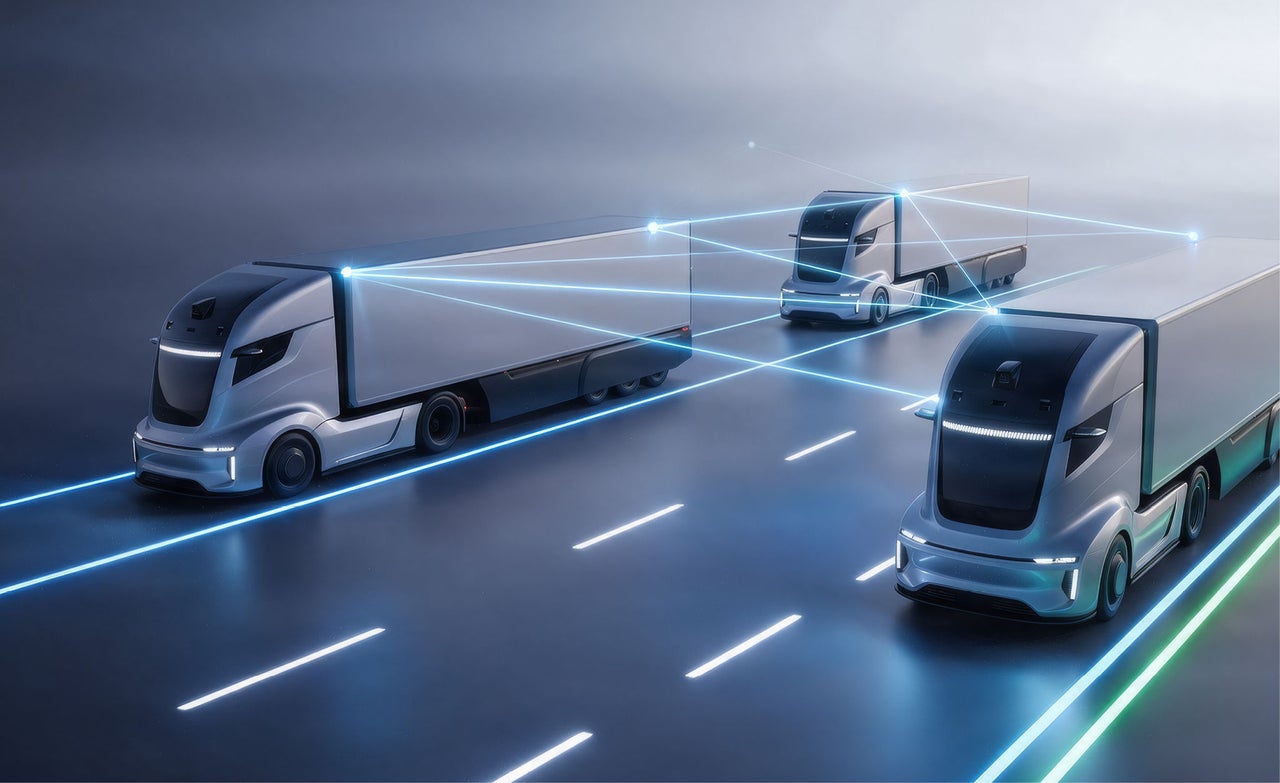
The journey to automated driving will be incremental over the next decade and a half. We identify six major "progress markers" along the journey: (1) On-demand AVs are available; (2) on-demand AVs operate profitably; (3) customers can by AVs for private use; (4) packages are delivered by autonomous trucks; (5) customers fully trust the safety of AVs; and (6) autonomous driving is legal on public roads.
In terms of adopting AI-based solutions and capabilities, the automotive sector is still at an early stage. But we believe the industry is uniquely positioned to benefit from AI-driven step changes in efficiency and performance. We expect to see AI in widespread use by automotive players by 2040, with OEMs deploying AI applications along all functional units and benefiting from additional access to end-customer data from their sales and aftersales activities, suppliers using data to remain competitive in the market, and aftermarket players (and dealerships) using client and vehicle data to improve their operational efficiency, refine their business model and personalize the aftersales experience.
Connected: By 2040 we expect all new cars to be based on the software-defined vehicle approach, entailing a paradigm shift for the industry
The industry's adoption of the software-defined vehicle (SDV) approach, in which the vehicle is built around the software platform rather than vice versa, offers major benefits for both vehicle manufacturers and drivers. For OEMs, the SDV approach cuts overall software spend by 26% compared to the traditional approach, as well as enabling a faster time to market due to the short, continuous development cycles, reduced downtime and agile development. For drivers, new functionalities and features can be continuously deployed over the vehicle lifetime by means of software updates, leading to improvements in safety, comfort, personalization or connectivity – and making software-enabled features even more important as key purchase criteria.
Electrified: Despite recent market developments, the overall direction of change cannot now be reversed
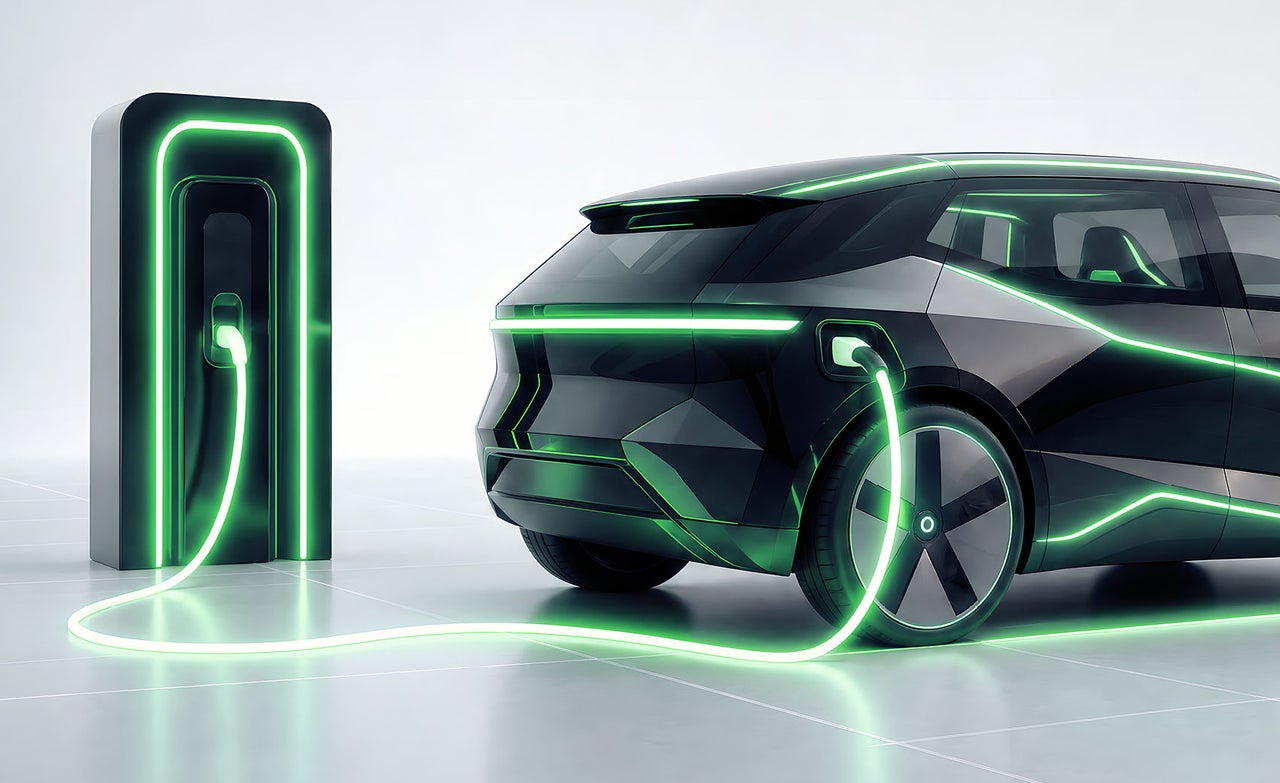
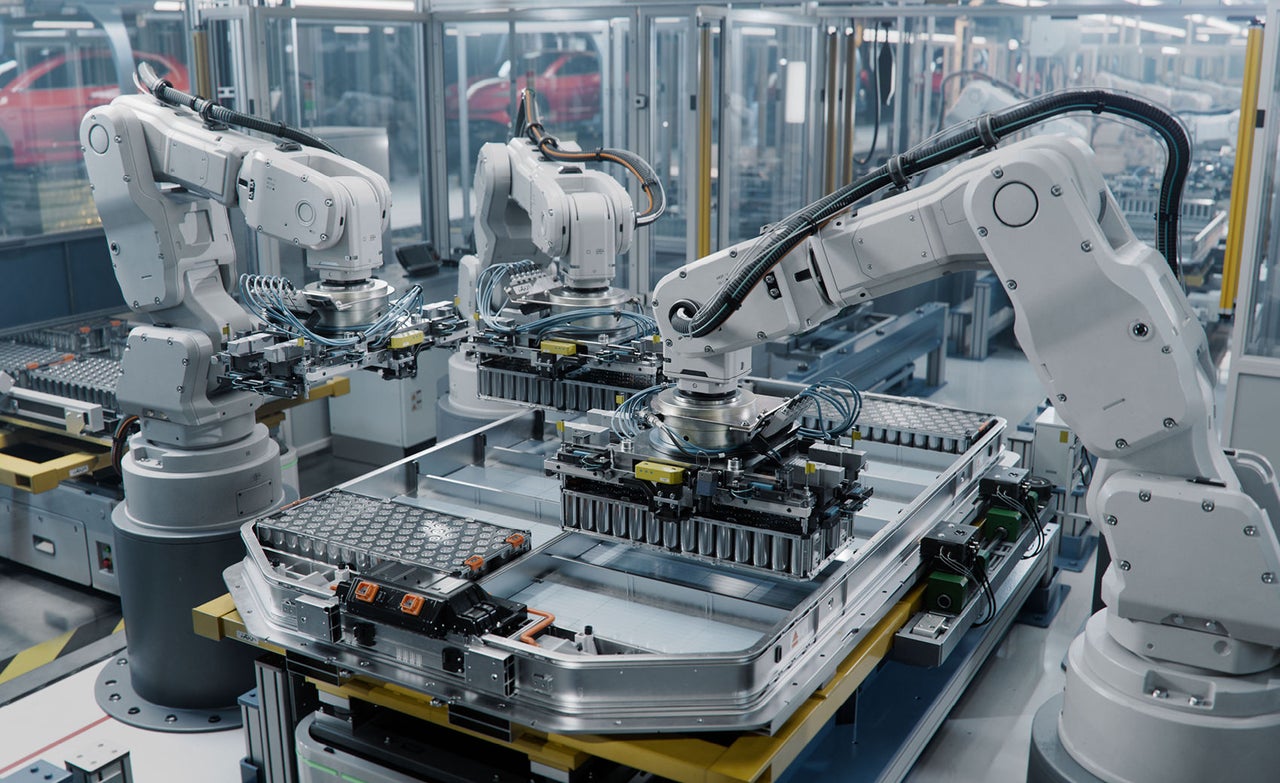
Electrification involves not just the rise of battery-electric vehicles (BEVs) but also the role of such vehicles as energy storage units for vehicle-to-home (V2H) and vehicle-to-grid (V2G) systems. The share of electric vehicles is growing globally – albeit at different speeds in different regions – leading to structural shifts along supply chains, in downstream business and in target markets. We foresee two possible scenarios for BEV adoption: a base-case scenario with a BEV share of 71 percent in 2040, and a downside case with a BEV share of 64 percent. Major differences are seen at a regional level, with Europe expected to reach a 99 percent BEV share by 2040 compared to just 42 to 60 percent in North America and 70 to 85 percent in China, depending on the scenario. In the rest of the world, we expect to see the BEV share growing to around 50 percent by 2040.