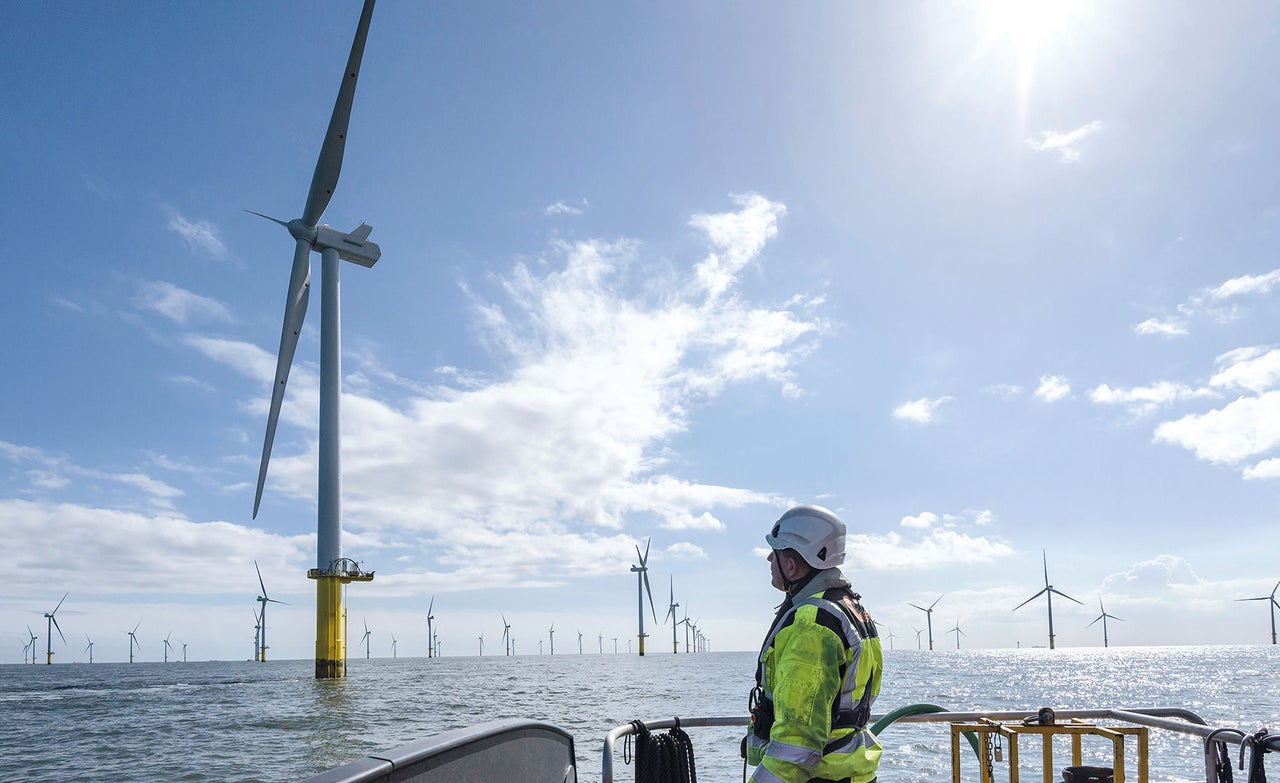
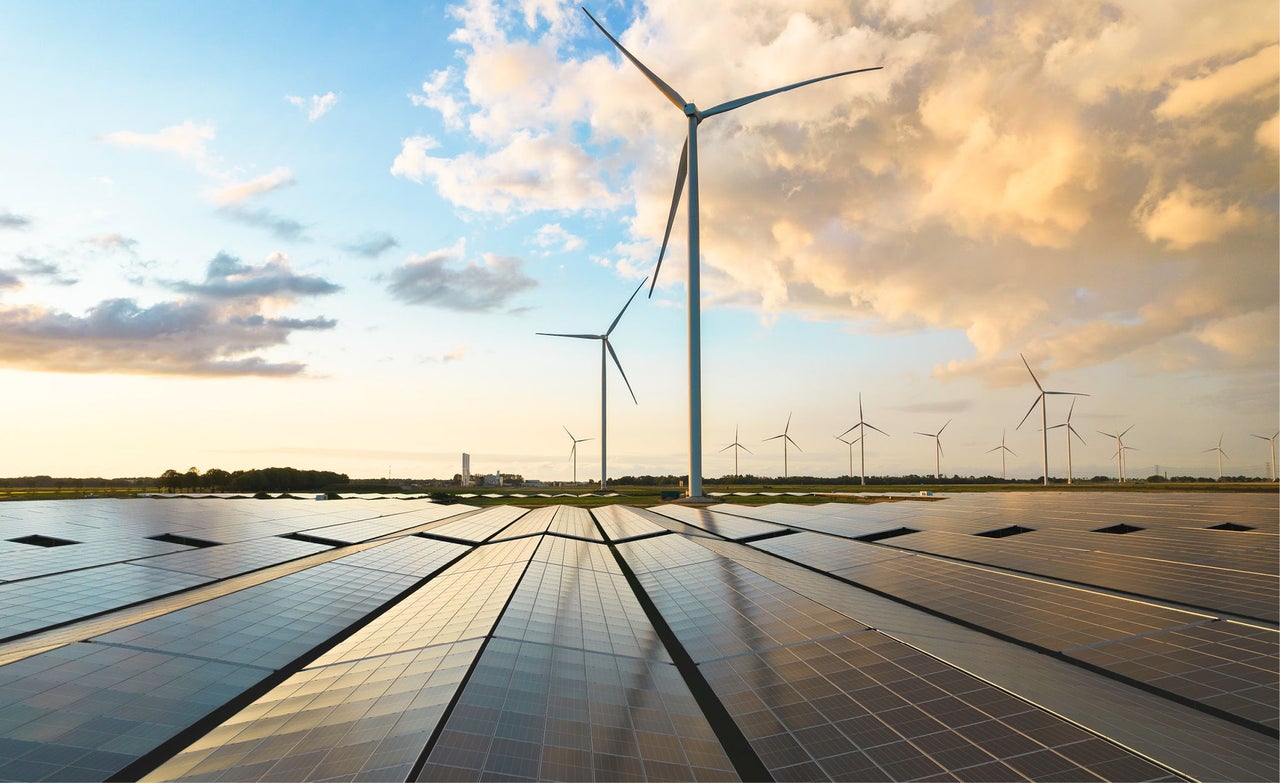
A new wave of capital projects is being driven by factors including decarbonization, modernization and resilience. Governments and private investors are channeling funds into upgrading aging infrastructure, expanding renewable energy and water systems, reinforcing transportation and digital networks, and enhancing climate and disaster resilience. Rising geopolitical tensions are also prompting renewed investment in critical and defense-related infrastructure. Together, these trends are reshaping priorities across industry,
energy
,
water
,
transportation
, and social and urban
infrastructure
.
The European Union is leading the charge with its Green Deal, mobilizing more than EUR 1 trillion in investments in renewable energy, smart transportation and climate-resilient facilities by 2030. North America, particularly the United States, is witnessing a historic investment surge through the Infrastructure Investment and Jobs Act, which allocates USD 1.2 trillion to investments in areas such as transportation, broadband, energy and water infrastructure by 2026.
In the Middle East, countries are diversifying their economies through ambitious mega-projects, such as Saudi Arabia’s Vision 2030, which aims to transform the region’s infrastructure landscape. Meanwhile, the Asia-Pacific region is experiencing rapid urbanization, necessitating significant investments in transportation, utilities and digital infrastructure to accommodate growing populations and enhance connectivity. China alone has pledged the equivalent of more than USD 2.1 trillion in transportation investments and USD 1 trillion in green infrastructure as part of its 14th Five-Year Plan.
These trends underscore the need for robust capital project management practices. As projects become more complex and interconnected, project owners must navigate multifaceted trade-offs encompassing political, fiscal, social and environmental considerations, all while managing the complexities of new technologies and first-of-their-kind implementations.