Meet us at Davos
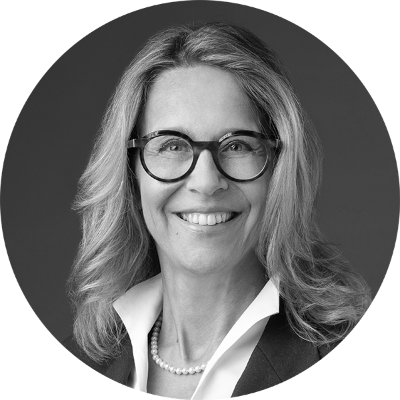
At the Annual Meeting, our Global Managing Partner Stefan Schaible will join a panel discussing how businesses can build resilience in a world of geopolitical fragmentation. We will also be engaging in discussions with thought leaders from all industries on how Europe can reinforce its economic foundations, deepen its financial integration, and rethink its approach to security and defense.
Alongside this, we continue our long standing collaboration with the World Woman Foundation as knowledge partner of the World Woman Davos Agenda. The focus of this partnership is clear: to ensure that AI, the green transition and new growth models expand opportunities for women and underrepresented groups and that diversity, equity and inclusion are treated as core drivers of resilience and competitiveness, not as side issues. Across our joint sessions and contributions, we bring insight on skills, leadership and the future of work and support stakeholders who want to turn their commitments on gender equality into visible, measurable progress.
We look forward to engaging with journalists and stakeholders in Davos and beyond, sharing our latest insights and providing background on European competitiveness, AI and Digitalization. Our communications team and on-site experts are available for further information and conversations on these topics.
European Competitiveness & Sovereignty
Europe faces mounting competitive pressure, even as it retains powerful assets in industry, innovation and institutions. On the occasion of the Annual Meeting in Davos, we will launch new research pointing out where the continent is well positioned and where it must move faster on growth, investment and strategic autonomy. We will specifically explore intersection of defense, the euro and competitiveness, discussing how Europe can translate sovereignty ambitions into concrete choices for governments, investors and businesses.