


Japan, Yes JAPAN
Why Japan is being structurally re‑rated — and why global leaders cannot afford to ignore it
For decades, Japan has been framed through the lens of stagnation: aging demographics, deflation, and “lost decades.” This narrative, once rooted in real economic trauma, has become dangerously outdated. Beneath the surface, Japan has been quietly undergoing one of the most profound structural transformations of any advanced economy.
Today, Japan stands at a pivotal inflection point. A rare alignment of forces—sustained inflation, real wage growth, capital market reform, and renewed labor mobility—is restoring liquidity to a system that has been psychologically constrained since the 1990s. At the same time, “External Japan”—its vast overseas industrial footprint and world‑leading net foreign asset position—is now funneling strength back into the domestic economy.
The result is not a cyclical rebound, but a structural re‑rating of Japan’s competitiveness.

From decline narrative to strategic platform
Japan is no longer defined by its absence from consumer electronics shelves. Instead, it has repositioned itself upstream—where real value and control reside. Today, Japanese firms dominate the invisible foundations of global production: advanced materials, precision components, and critical manufacturing equipment. In sectors such as semiconductors, robotics, and life sciences, Japan holds effective veto power over global supply chains.
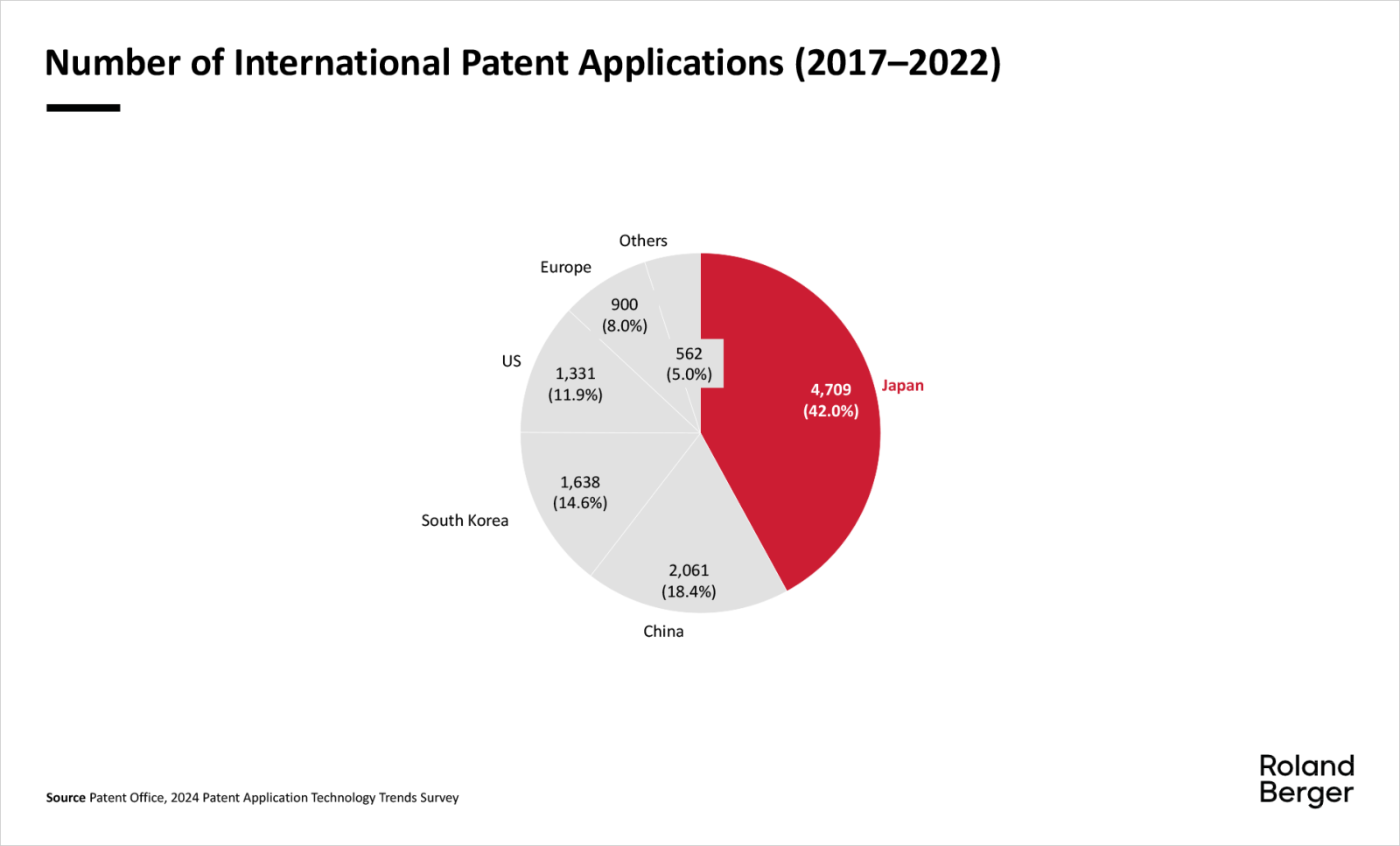
Combined with world‑class R&D intensity and patent generation, this upstream dominance makes Japan not just a market, but a technocratic gatekeeper for future industries.
A living laboratory for the world’s future
Japan is also far ahead of the rest of the world in confronting structural societal challenges—particularly aging and population decline. Rather than collapsing under these pressures, it has converted them into innovation engines.
From healthcare systems and nursing robotics to lifestyle models for “active aging,” Japan has become a pre‑tested laboratory for the demographic future that much of Asia and the West will soon face. These solutions are already being exported, turning domestic constraint into global relevance.
At the same time, Japan’s cultural industries—anime, food, craftsmanship, and experiential luxury—carry an unusually deep sense of authenticity. Global demand has surged, yet much of Japan’s cultural value remains structurally under‑exported, creating a substantial arbitrage opportunity for those able to bridge local excellence with global scale.
Japan as Asia’s anchor of certainty
In an era of geopolitical fragmentation and regulatory opacity across Asia, Japan offers something increasingly rare: certainty at scale.
As a G7 economy with deep Asian integration, extensive free‑trade coverage, and exceptional political and social stability, Japan is emerging as the preferred regional headquarters and risk‑management hub for multinational firms. Success in Japan now serves as a de facto certification of quality for the wider Asian market.

"Japan still offers multiple markets at the forefront of global trends and a deep bench of resilient, highly capable players. The strategic value of taking initiative in an undervalued market is substantial, and excluding Japan from a portfolio may translate directly into missed future opportunities."

The opportunity most investors still miss
Despite record retained earnings, deep technical capability, and loyal human capital, many Japanese firms remain structurally disconnected from global markets. The constraint is not product quality—but interface: international management, capital allocation logic, talent mobility, and global storytelling.
This gap represents one of the most compelling strategic opportunities in advanced markets today.
Winning in Japan is no longer about “adapting” to a difficult market. It is about activating latent potential—by providing the global interface that unlocks decades of compressed industrial and cultural energy.
Why this matters now
Japan’s transformation is already underway, but it is still poorly understood outside the country. For global CEOs, investors, and senior leaders, the cost of inaction is rising rapidly.
• Why Japan is being structurally re‑rated—now
• Where the real competitive advantages lie beyond headline GDP
• How foreign firms are outperforming through partnerships, M&A, and innovation hubs
• What it truly takes to win in Japan’s uniquely fluid but complex market
Register now to access the full study. Furthermore, you get regular news and updates directly in your inbox.


